
How to pump cement? To answer this question, we should clearify the concepts “cement” and “concrete”. Many people search for cement pumping when they actually mean concrete pumping.
In real construction practice, these two terms are often used interchangeably – especially outside strictly technical contexts.
You’ll learn:
- How cement-based materials are pumped
- How concrete mixes are pumped in real projects
- When the two processes are essentially the same – and when they are not
Whether you are handling grouting, repair work, or structural concrete placement, this guide will help you pump the material correctly, efficiently, and safely.
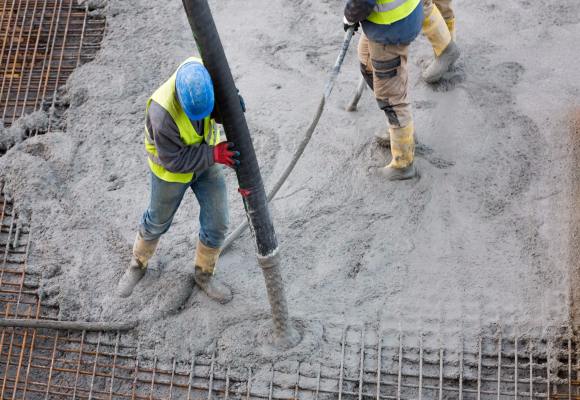
What Does “Pumping Cement” Mean
Pumping cement refers to using a pump to transport cement-based or concrete materials through hoses or pipes to the required placement point.
In practice, it usually includes pumping cement slurry (cement + water), cement grout (cement + water + additives), mortar (cement + fine sand), as well as fine concrete mixes with small aggregates.
There are a simple way to understand why the terms are often confusing:
- Cement pumping focuses on the binder and fine materials
- Concrete pumping focuses on the complete structural mix
Both rely on the same basic principle: Applying pressure to move a workable mix through a closed pipeline.
They key differences lie in material composition, pump type, and pressure and wear requirements.
These differences will be explained clearly in the sections that follow, without overcomplicating the process.
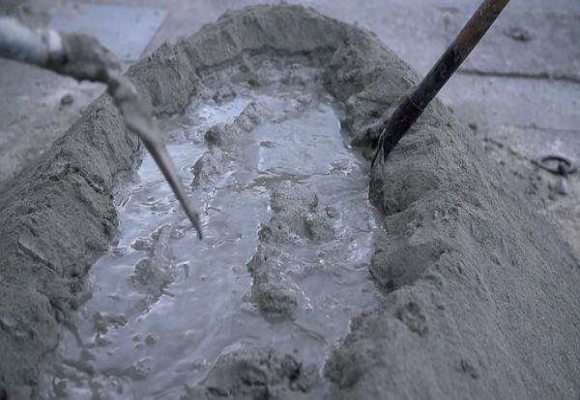
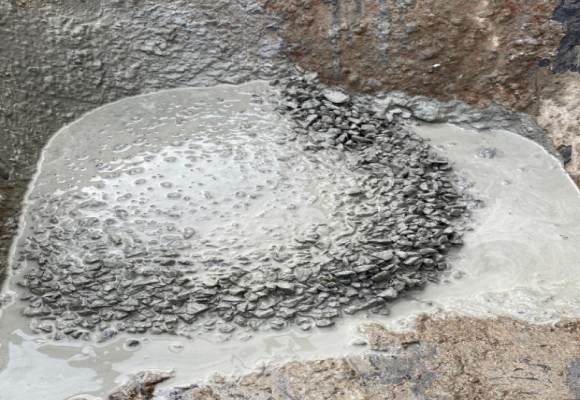
How to Pump Cement Properly
This process guide also applies to concrete pumping.
Prepare the Mix
A pumpable mix is the key to smooth pumping.
For cement-based materials
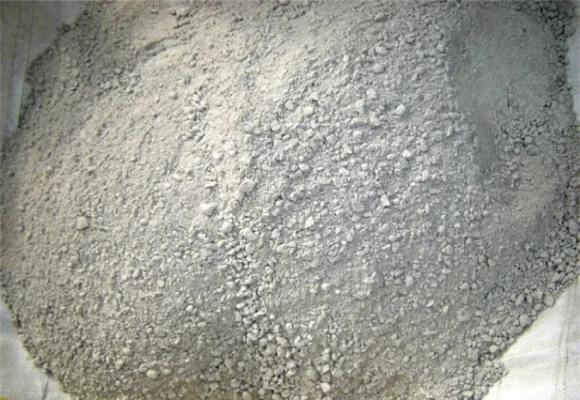
- Use clean cement and water
- Keep a stable water – cement ratio
- Add plasticizers if higher flow is required
For concrete mixes
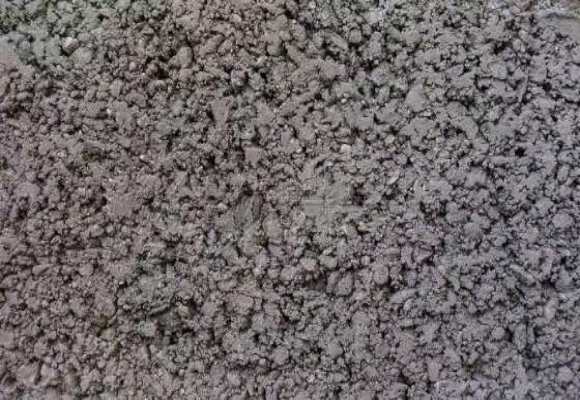
- Control aggregate size
- Ensure uniform grading
- Avoid dry or segregated mixes
Tip: If the mix cannot flow steadily, no pump will fix it.
Choose the Right Pump
Different materials require different pump characteristics.
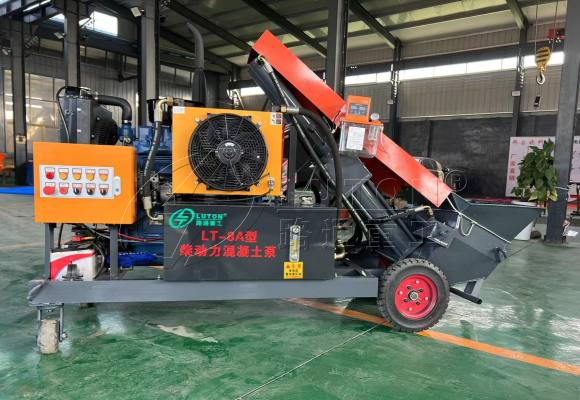
- Cement slurry / grout – screw pump or small piston pump
- Mortar / fine concrete – piston cement pump
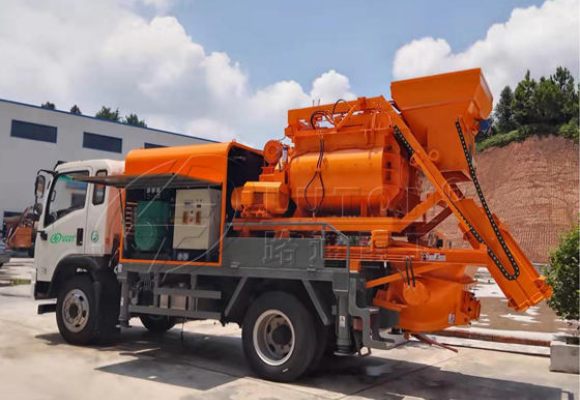
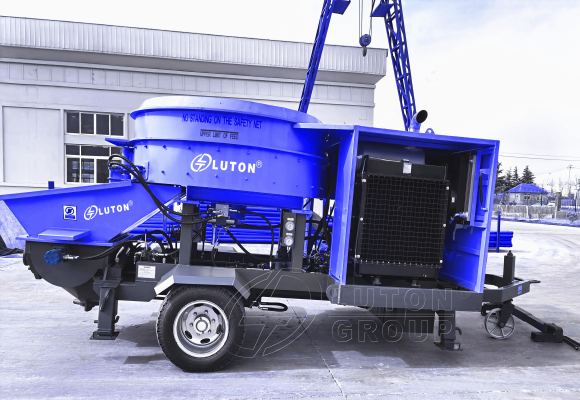
- Structural concrete – concrete pump or mixer pump
Also consider:
- Pumping distance and height
- Requied output
- Job continuity
Choosing the wrong pump leads to blockages, wear, and downtime.
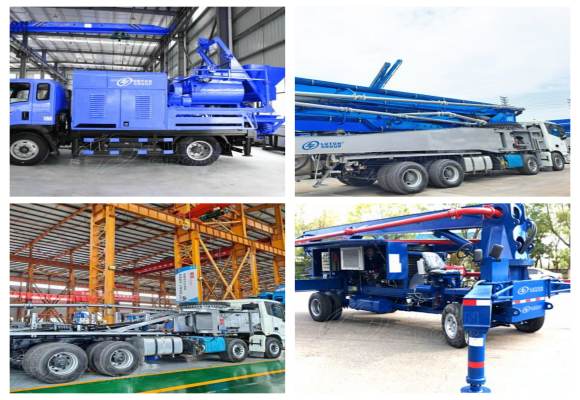
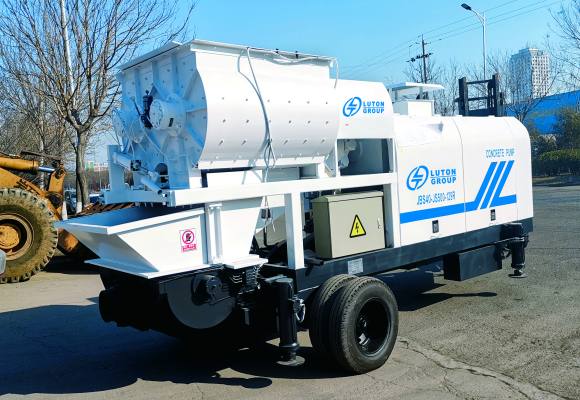
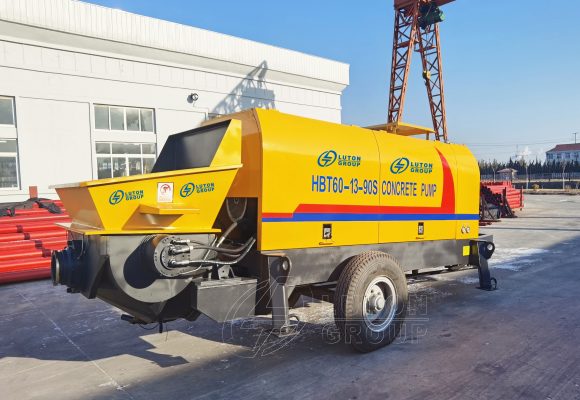
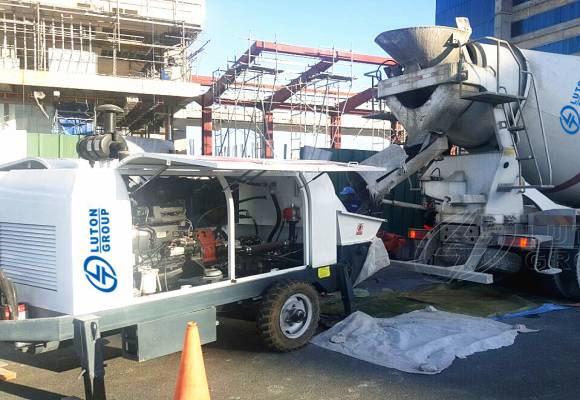
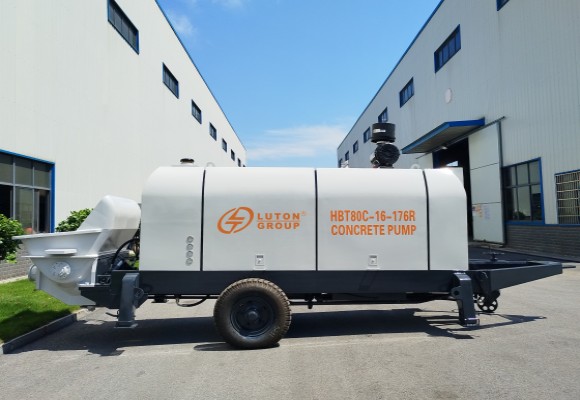
Concrete Trailer Pump
| Models | HBT30/40/50/60/80/90 |
| Max. theo. concrete output | 30~90 m³/h |
| Max.concrete pumping pressure | 6~20 MPa |
| Distribution valve type | S valve |
| Diesel engine model | Yuchai/Weichai/Cummis |
| Diesel engine power | 52~199kW |
| Delivery Distance (vertical) | 100-300m |
| Delivery Distance (horizontal) | 300~1200m |
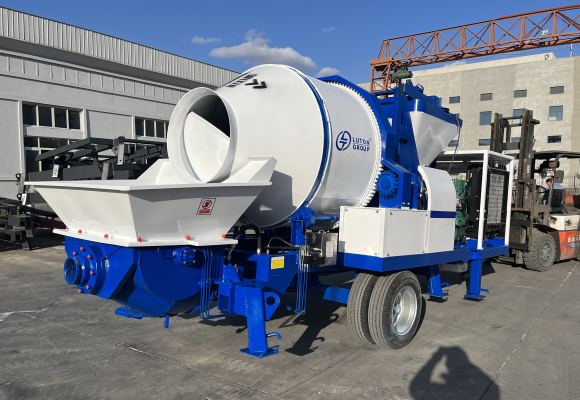
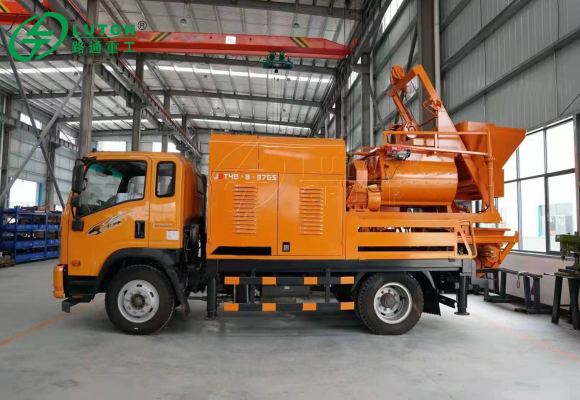
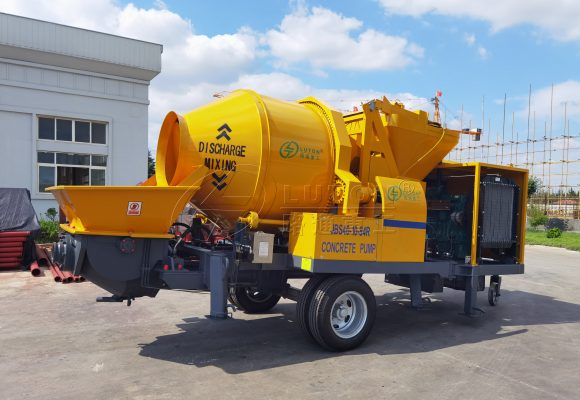
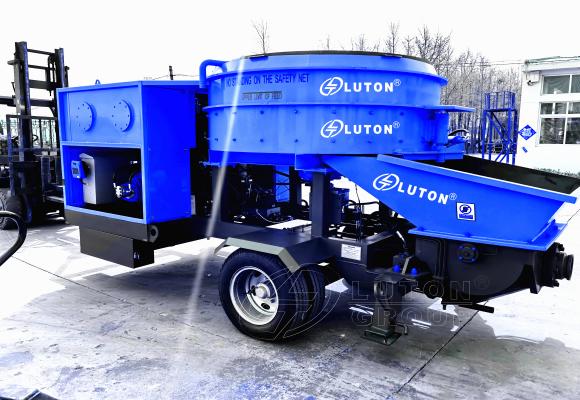
Concrete Mixer Pump
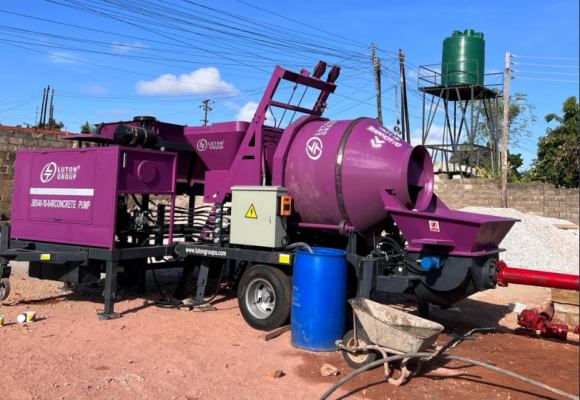
| Model | JBS40-10-82R |
| Max.theo.concrete output | 40m3/h |
| Mixer rated discharge capacity | 0.45m3 |
| Max.concrete pumping pressure | 10MPa |
| Distribution valve type | S |
| Diesel engine model | 82KW Weichai Deutz WP4G110E220 |
| Max. Conveying Distance (Vertical/Horizontal) | 120m/500m |
Concrete Boom Pump
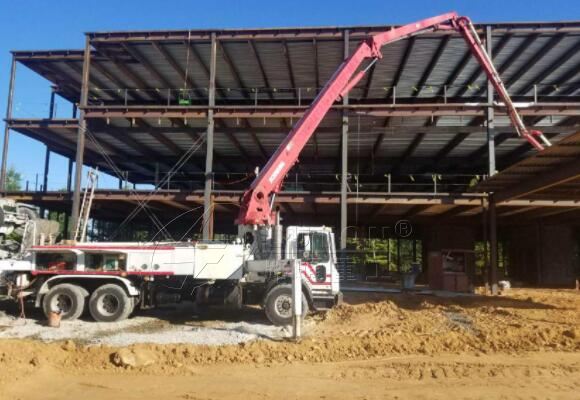
| Model | 30m~61m |
| Max. theo. concrete output | 85-200 m³/h |
| Max.concrete pumping pressure | 8.7-10 MPa |
| Boom horizontal height | 25m-55.6m |
| Turnable Rotation Angle | ±210°/±360° |
| End flexible hose length | 3000mm |
| Boom outrigger | 4Z/5RZ/6RZ/7R |
| Min. expanded height | 7.1 ~ 14.9 m |
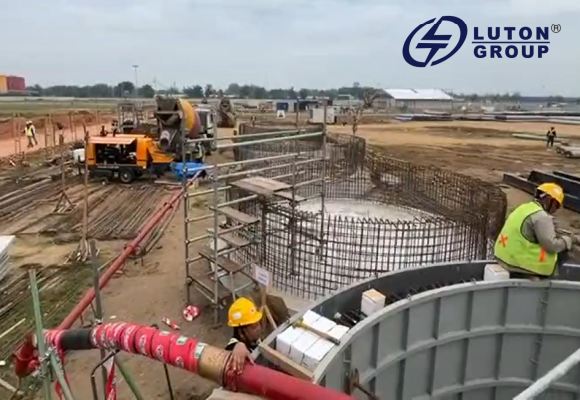
Set Up the Pumping Line
A well-designed pipeline improves efficiency.
- Match hose diameter to material type
- Minimize sharp bends
- Secure all joints and clamps
For long-distance pumping:
- Use steel pipes where possible
- Reduce unnecessary transitions
Small setup errors often cause major pumping problems.
Prime the Pipeline
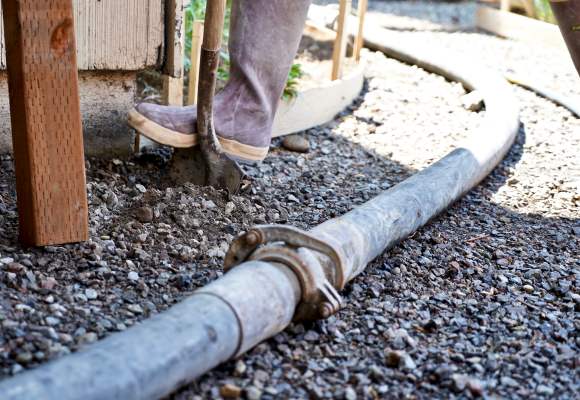
Never pump dry.
- Use cement slurry or lubricating mortar
- Fully coat the inner pipe wall
- Remove trapped air
Proper priming reduces friction and prevents early blockage.
Start Pumping and Maintain
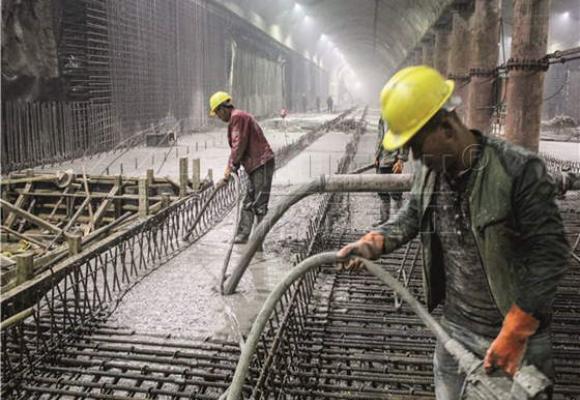
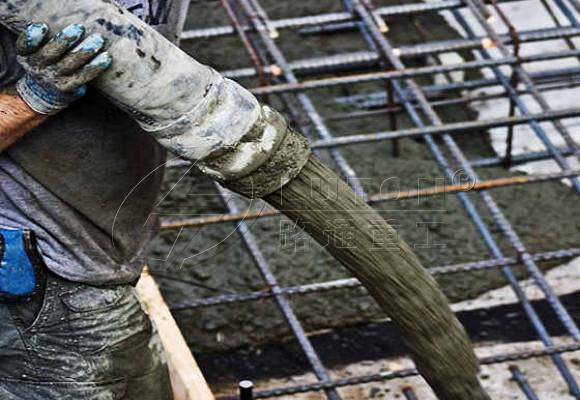
Begin pumping slowly.
- Increase pressure gradually
- Keep a continuous, steady flow
- Monitor pressure changes and mix behavior
Stop immidiately if abnormal resistance occurs. Pumping is a controlled process, not a race.
Clean the System Immediately
Cleaning is part of pumping, not an afterthought.
- Flush hoses and pipes right after use
- Do not allow cement to harden inside the system
- Inspect wear parts regularly
Poor cleaning is the most common cause of pump failure.
Common Problems When Pumping Cement (And Solutions)
Problem 1 Pipeline Blockage
Causes
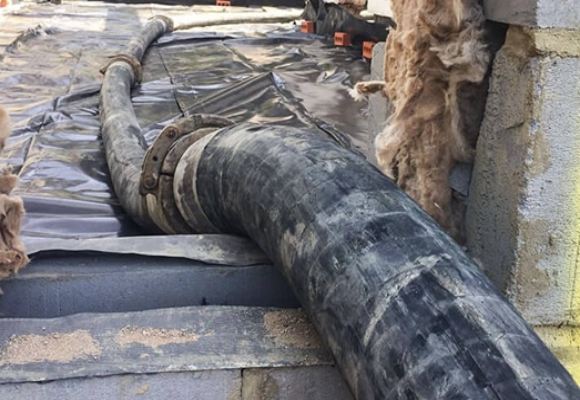
- Poor mix design
- Oversized particles
- Sudden pressure changes
Solutions
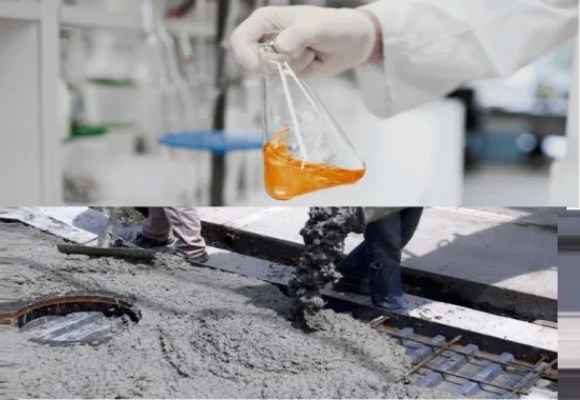
- Adjust water-cement ratio
- Reduce aggregate size
- Prime the pipeline properly
- Maintain continuous flow
Blockage is usually a material issue, not a pump defect.
Problem 2 Material Segregation
Causes
- Excessive water
- Improper additives
- Inconsistent mixing
Solutions
- Use proper admixtures
- Improve mix uniformity
- Avoid long idle times during pumping
Stable material equals stable pumping.
Problem 3 Low Pumping Efficiency
Causes
- Incorrect pump selection
- Long or complex pipeline layout
- Frequent start-stop operation
Solutions
- Match pump capacity to job requirements
- Simplify hose routing
- Maintain steady pumping rhythm
Efficiency depeds on system matching, not maximum power.
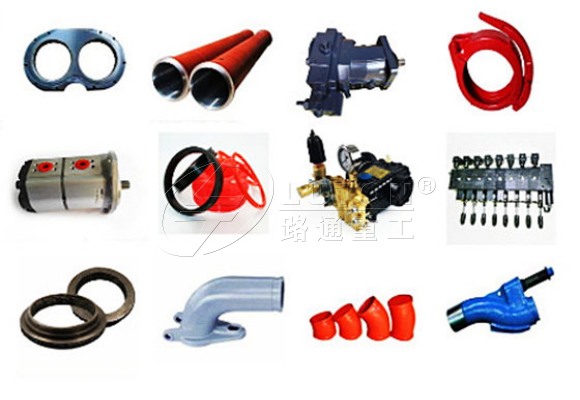
Problem 4 Excessive Wear on Pump Parts
Causes
- Abrasive materials
- High pressure operation
- Poor cleaning practices
Solutions
- Use wear-resistant components
- Operate within rated pressure
- Clean immediately after pumping
Wear increases cost long before failure occurs.
Safety Tips for Cement and Concrete Pumping
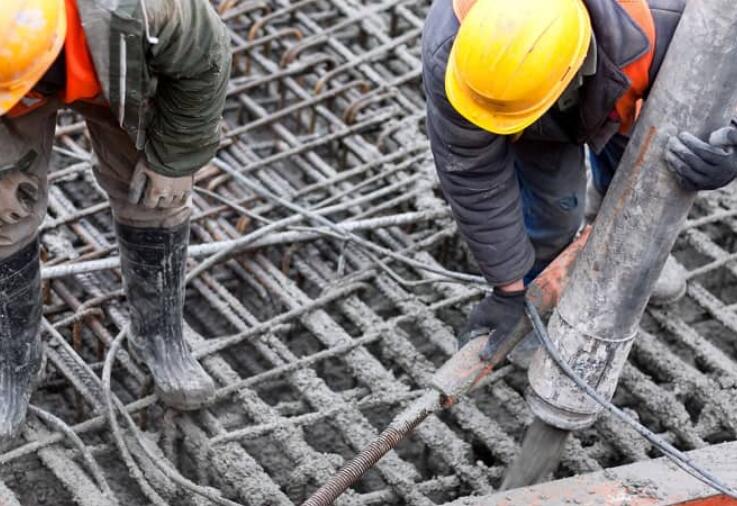
Cement and concrete pumping involves high pressure and continuous material flow. Most accidents are caused by improper handling, not equipment failure.
Control Pumping Pressure at All Times
- Never exceed the rated pressure of the pump or pipeline
- Increase pressure gradually during startup
- Stop pumping immediately if pressure spikes unexpectedly
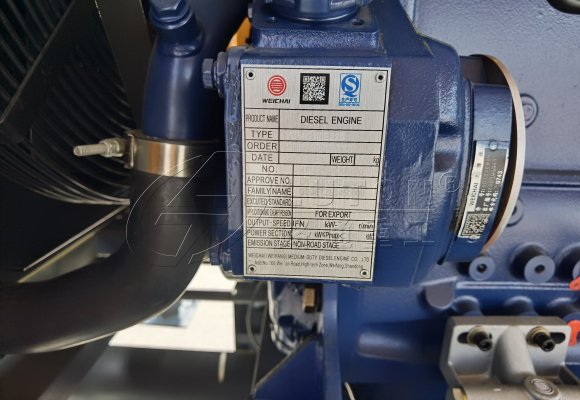
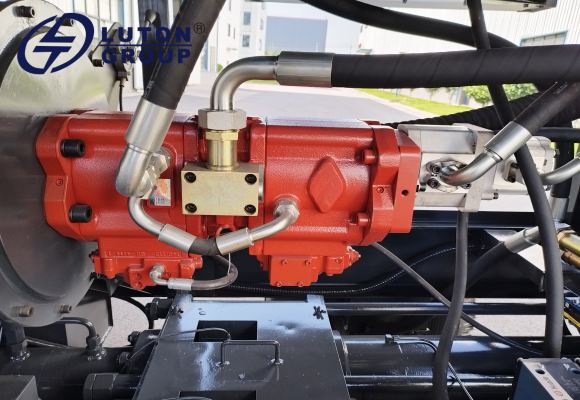
Uncontrolled pressure is the primary cause of hose bursts and joints failure.
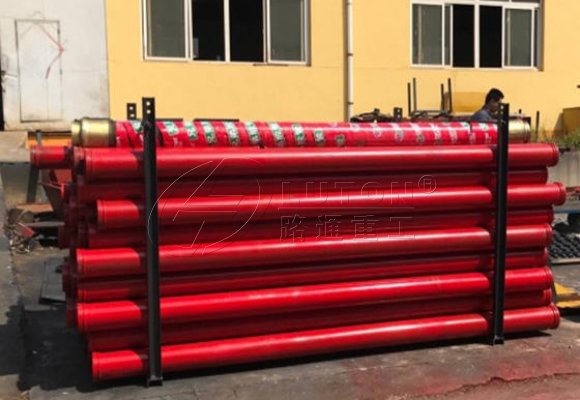
Secure All Pipes and Hose Connections
- Use proper clamps and safety pins
- Check joints before pumping
- Avoid worn or deformed couplings
A loose connection under pressure is extremely dangerous.
Keep Operations Clear of the Discharge Area
- Do not stand in front of the hose outlet
- Avoid bending or straightening hoses during pumping
- Release pressure before any adjustment
Material discharge can be sudden and forceful.
Never Attempt to Clear Blockages Under Pressure
- Stop the pump first
- Release system pressure completely
- Disassemble the pipeline only after confirmation
Clearing blockages while pressurized can cause serious injury.
Use Proper Personal Protective Equipment
- Safety helmt
- Protective gloves
- Eye and skin protection
Cement-based materials are alkaline and can cause chemical burns.
Clean and Inspect Equipment After Each Job
- Flush the system immediately
- Inspect wear parts and seals
- Replace damaged components before the next operation
Preventive maintenance is critical part of safe pumping.
Clean and Inspect Equipment After Each Job
- Flush the system immediately
- Inspect wear parts and seals
- Replace damaged components before the next operation
Preventive maintenance is a critical part of safe pumping.
Cement Pumping vs. Concrete Pumping
Although the two terms are often used interchangeably, cement pumping and concrete pumping are not always the same in practice.
Understanding the differece helps avoid equipment mismatch and job-site problems.
Material Composition
Material composition directly determines pump type and pipeline design.
Cement Pumping
- Cement slurry, grout, or mortar
- Fine particles only
- High fluidity, low abrasion
Concrete Pumping
- Cement + sand +coarse aggregates
- Larger particle size
- Higher abrasion and pressure demand
Pump Type and System Requirements
Cement Pumping Systems
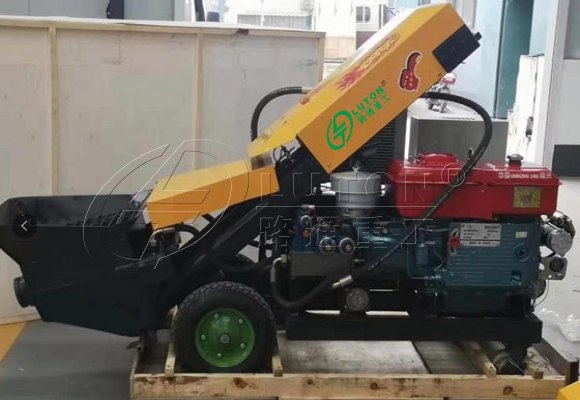
- Screw pumps or small piston pumps
- Smaller hose diameters
- Lower operating pressure
Concrete Pumping Systems
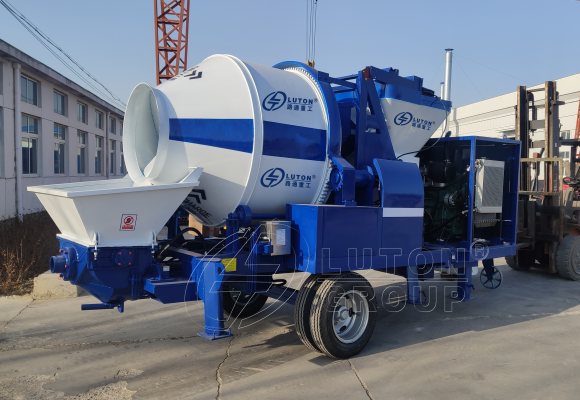
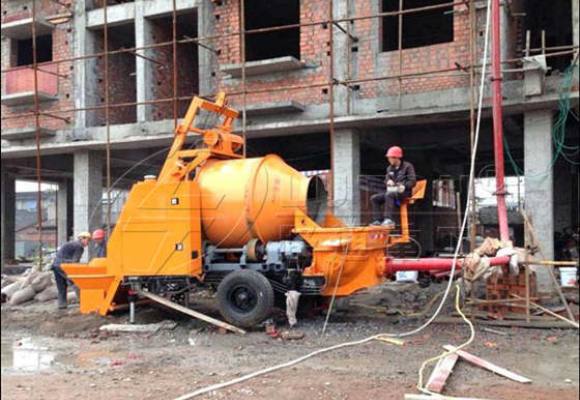
- Piston concrete pumps or mixer pumps
- Larger pipelines
- Reinforced wear parts
Using a cement pump for coarse concrete can cause rapid failure.
Application Scenarios
Cement pumping is typically used for
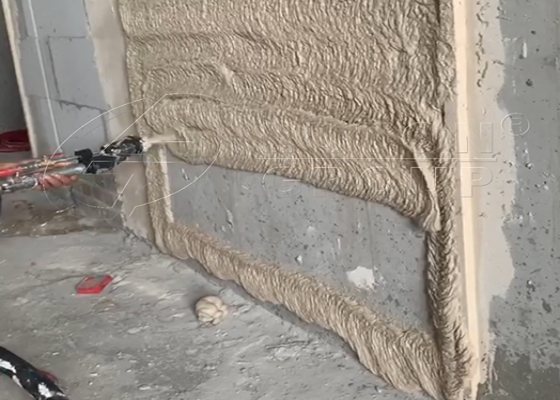
- Grouting and void filling
- Structural repair and reinforcement
- Precision placement in confined spaces
Concrete pumping is typically used for
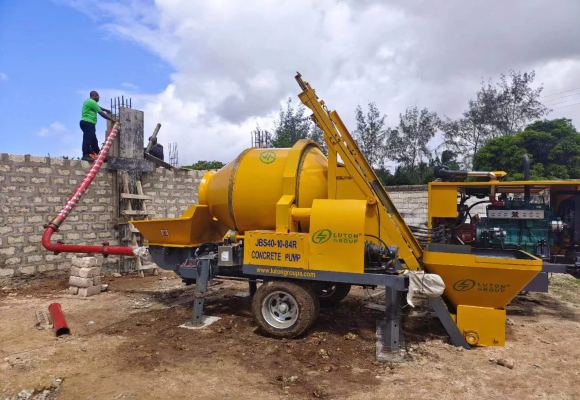
- Foundations, slabs, beams, and columns
- Large-volume structural placement
- Continuous, high-output construction work
They job type defines the pumping method – not the terminology.
When the Two Overlap
In real-world projects, the boundary is not always strict.
- Fine concrete mixes may be handled like cement materials
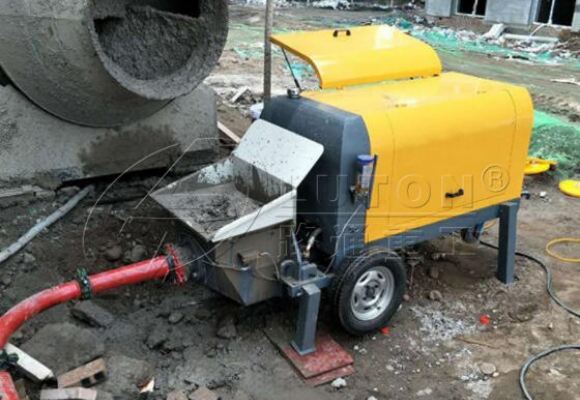
- Small concrete pumps are often called “cement pumps” by users
- The pumping principle remains the same
This is why many searches for cement pumping are actually related to concrete pumping.
Practical Rule for Equipment Selection
Correct selection improves efficiency, safety, and service life.
- Focus on material size and workability
- Evaluate pumping distance and height
- Choose equipment based on job requirements, not naming conventions
Choosing the Right Cement Pump for Your Project
Selecting the correct pump is critical for efficiency, safety, and long-term performance. The woring choice can cause blockages, wear, or unnecessary downtime.
Consider Material Type
Cement slurry or grout – screw pump or small piston pump
Mortar/fine concrete – piston cement pump
Structural concrete – concrete pump or mixer pump
Tip: Match pump type to particle size and flowability, not just project name.
Evaluate Pumping Distance and Height
Long horizontal distances – larger diameter hoses and higher pressure
Vertical pumping – reinforced pipes and stable priming
Always calculate max distance before starting
Incorrect distance evaluation is a major cause of blockages and wear.
Account for Project Volume
Choosing capacity based on volume prevents downtime and improves efficiency.
Small or intermittent jobs – small cement pumps
Medium to large jobs – concrete pumps or mixer pumps
Continuous operation – pumps with higher duty cycles
Check Mobility and Site Conditions
Confined spaces – compact, flexible hose pumps
Outdoor or uneven terrain – trailer-mounted pumps
Access limitations – consider hose length and bends
Site conditions often determine which pump is practical.
Consider Budget and Maintenance
High-end pumps – longer life, more features, higher cost
Low-end pumps – cheaper, but may wear faster
Factor in cleaning, spare parts, and local support
Rule of thumb: Optimize for long-term reliability, not just upfront cost.
Practical Advice
Always match your pump type, output, and configuration to:
- Material type – Pumping distance & height
- Project scale – Site constrains
A correct selection ensures safe, smooth, and efficient pumping every time.
FAQs About Cement and Concrete Pumping
Can pure cement be pumped?
Yes, cement slurry or grout can be pumped with the right pump (screw or small piston pump).
- Must maintain proper water-cement ratio
- Avoid oversized particles
- Use plasticizers if necessary
- Pure cement cannot be pumped like coarse concrete.
How far can cement or concrete be pumped?
- Horizontal pumping: typically up to 200 meters for cement slurry, less for coarse concrete.
- Vertical pumping: depends on pump capacity. small piston pumps up to 50-60 meters, large concrete pumps upt to 150 meters or more
Tip: Always check pump specifications and pipeline diameter.
What mix ratio is best for pumping?
- Cement slurry/grout – wetter consistency, low viscosity
- Mortar – water-cement ratio around 0.45-0.55
- Concrete – slump 100-180 mm depending on mix design
- Rule of thumb: Flowable, uniform mix reduces blockage risk.
How to prevent pipe blockage?
- Prime the pipelne before pumping
- Maintain steady flow
- Avoid abrupt bends or diametre changes
- Adjust water content and additives if needed
Prevention is easier than clearing a hardened blockage.
How often should equipment be cleaned?
- Immediately after each use
- Flush hoses and pipes thoroughly
- Inspect wear parts and replace as needed
Tip: Neglecting cleaning is the most common cause of pump failure.
Conclusion
Cement pumping and concrete pumping are essential techniques in modern construction.
Key Points:
- Know your material – cement slurry, grout, mortar, or concrete, each requires the right pump and mix design.
- Choose the right equipment – match pump type, pipeline layout, and project scale to avoid blockages and wear.
- Follow proper procedure – preparation, priming, steady pumping, and immediate cleaning ensure efficiency and safety.
Understanding the differences between cement pumping and concrete pumping allows contractors and engineers to :
- Optimize material flow
- Reduce downtime
- Improve placement accuracy
- Extend equipment lifespan
Whether your project involves grouting, repair work, confined space placement, or large structural concrete jobs, applying these best practices ensures a safe, smooth, and efficient pumping process.
Export Cases of LUTON GROUP
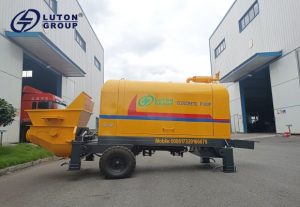
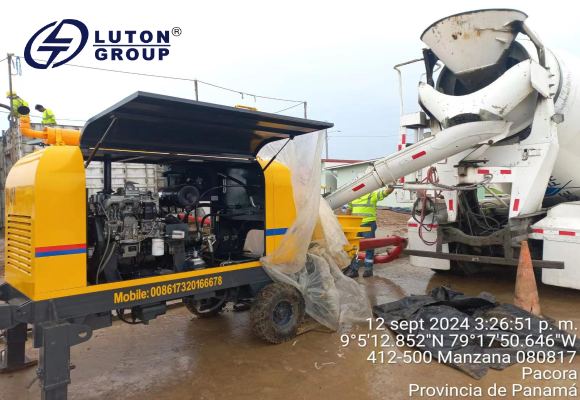
HBTS30 Concrete Pump Sold To Panama
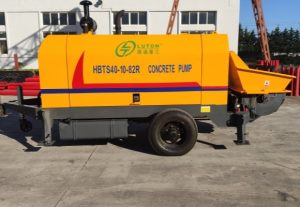
HBTS40 Concrete Pump To Ethiopia
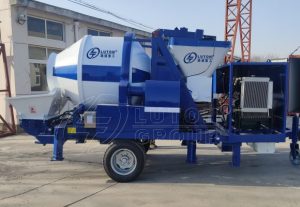
Concrete Pump In Pakistan
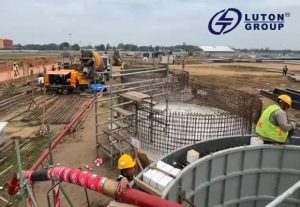
Concrete Pump Indonesia
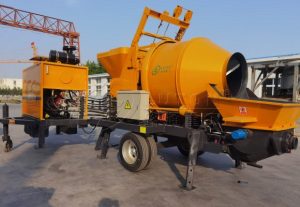
Concrete Pumps In India
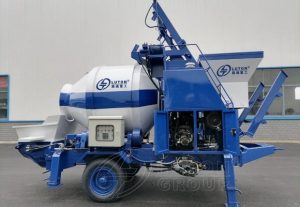
Concrete Trailer Pump For Sale Australia

HBT90 Diesel Concrete Trailer Pump To Armenia
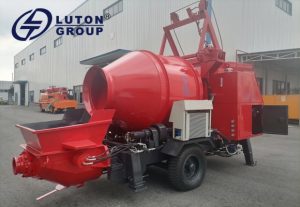
Concrete Mixer Pump Exported To Sierra Leone
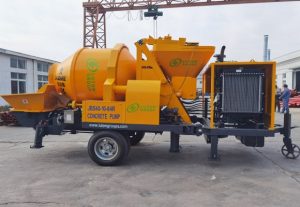
Concrete Mixer Pump Exported To Kenya

LUTON Concrete Trailer Pump To Brunei
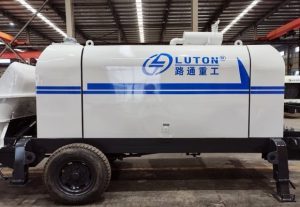
Concrete Trailer Pump To Jamaica
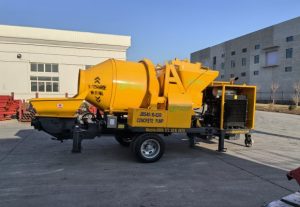
LUTON Concrete Mixer Pump Sold To Guyana
Hot Models of LUTON Concrete Pumps
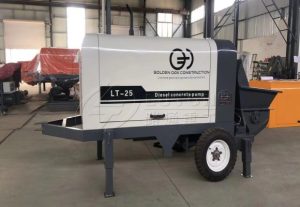
Mini Concrete Pump
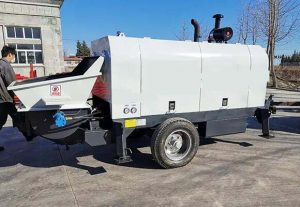
High-Pressure Concrete Pump
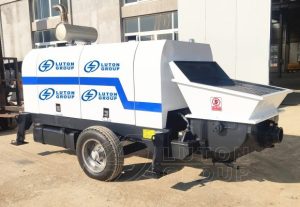
Concrete Trailer Pump
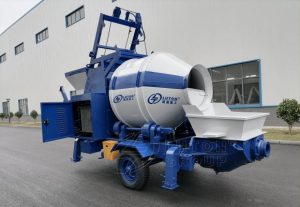
Concrete Mixer Pump
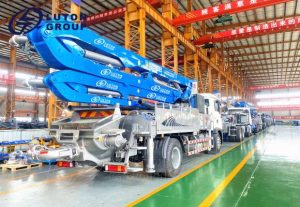
Concrete Boom Pump