Stationary pumpcrete proves its value where concrete construction projects become more complex. In these circumtances, mobile concrete pumps are no longer sufficient, especially when pumping distance, pressure, and continuity become critical. Stationary pumpcrete is widely used in high-rise buildings, infrastructure works, tunnels, and industrial projects where reliability matters more than mobility. By remaining fixed on site and working through a pipeline system, it delivers stable performance even under demanding conditions.
For contractors and project managers handling large volumes, long pouring cycles, or fixed-location construction, choosing the right pumping solution is not just a technical decision – it is a cost and risk management decision.
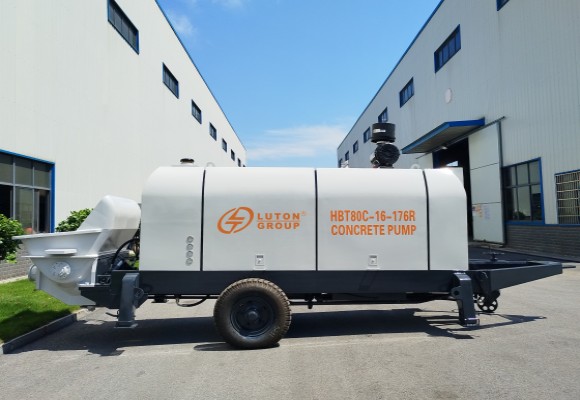
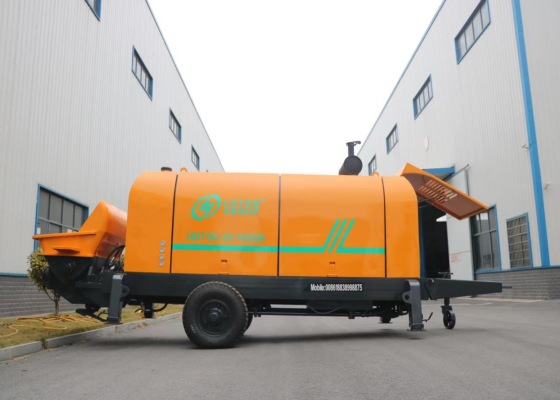
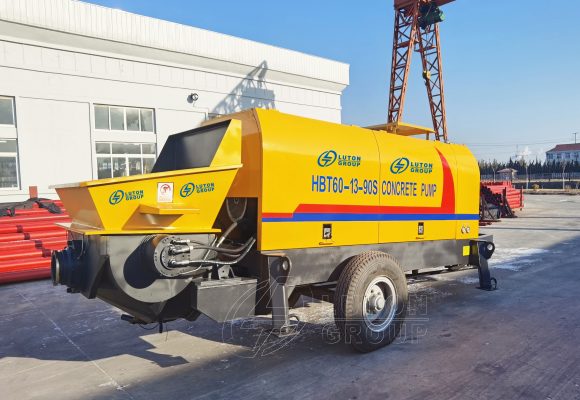
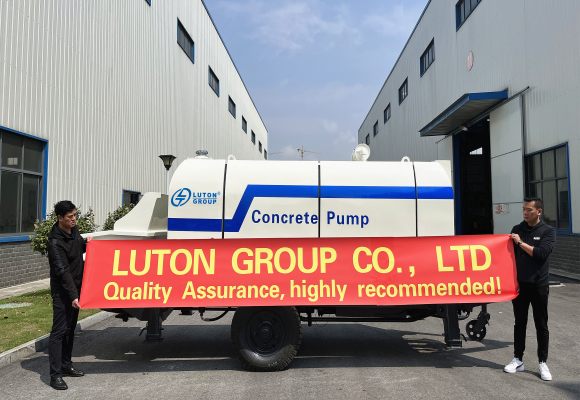
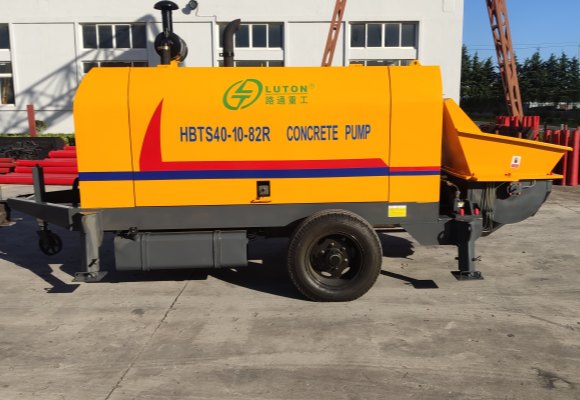
| Models | HBT30/40/50/60/80/90 |
| Max. theo. concrete output | 30~90 m³/h |
| Max.concrete pumping pressure | 6~20 MPa |
| Distribution valve type | S valve |
| Diesel engine model | Yuchai/Weichai/Cummis |
| Diesel engine power | 52~199kW |
| Delivery Distance (vertical) | 100-300m |
| Delivery Distance (horizontal) | 300~1200m |
Who Are Suitable for Stationary Pumpcretes
A stationary pumpcrete is not a univeral solution – but for the right projects, it is often the most practical and economical option. You should consider a stationary pumpcrete if your project meets one or more of the following conditions:
Large-scale or High-rise Construction
If the project involves multiple floors, tall structures, or deep foundations, mobile concrete pumps often reach their pressure limits. Stationary pumpcrete is designed for high vertical pumping, maintaining stable output even as height increases.
Long Pumping Distance Requirements
When concrete must be delivered through long horizontal pipelines or combined vertical and horizontal layouts, pumping stability becomes critical. Stationary pumpcrete provides higher pumping pressure and consistent flow, reducing the risk of blockage and segregation.
Continuous, High-volume Concrete Pouring
Projects such as:
- Raft foundations
- Industrial floors
- Infrastructure and dam construction
Require continuous concrete placement over long periods. Stationary pumpcrete is built for non-stop operation, minimizing interruptions and improving concrete quality.
Fixed-location or Long-term Projects
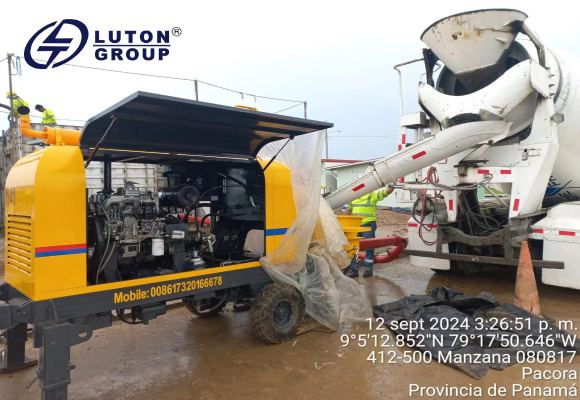
If the pump will remain in one position for weeks or months, frequent relocation offers no real benefit. In such cases, statioanry pumpcrete delivers lower operaing cost per cubic meter compared to mobile alternatives.
Site with Limited Space or Restricted Access
Urban projects, tunnels, or industrial sites often have limited vehicle access. A stationary pumpcrete can be installed in a compact area while pipelines are route flexibly to the pouring location.
When Stationary Pumpcrete Is NOT the Right Choice
For clarity, a statioanry pumpcrete may not be suitable if:
- The project is small and short-term
- The pump must be moved frequently between locations
- Pumping distance and height are limited
In these cases, mobile concrete pumps or mixer pumps may be more efficient.
If your project prioritizes pumping performance, stability, and long-term cost control over mobility, a stationary pumpcrete is the right solution.
Our engineers can quickly evaluate your site conditions and confirm whether stationary pumpcrete is the most suitable option for your project.
Why Contactors Prefer Stationary Pumpcrete Over Mobile Concrete Pumps
Contractors do not choose stationary pumpcrete because it is complex or heavy-duty. They choose it because it performs better where mobile pumps start to struggle.
Below are the key reasons why stationary pumpcrete is often the preferred options on large-scale and demanding projects.
Higher Pumping Pressure, Fewer Jobsite Problems
Stationary pumpcrete is designed to generate higher and more stable pumping pressure, making it suitable for:
- Long vertical pumping heights
- Extended horizontal pipeline layouts
- Dense or high-strenghth concrete mixers
Higher pressure means fewer blockages, less re-pumping, adn less downtime, especially on high-rise and infrastructure projects.
Continuous Output for Large Concrete Pours
Unlike mobile pumps that may require frequent adjustments or relocation, stationary pumpcrete is built for continuous operation.
This results in:
- More consistent concrete flow
- Better control during large pours
- Reduced risk of cold joints
For large foundations, slabs, and structural elements, continuous pumping directly improves construction quality and efficiency.
Stable Installation, Reliable Performance
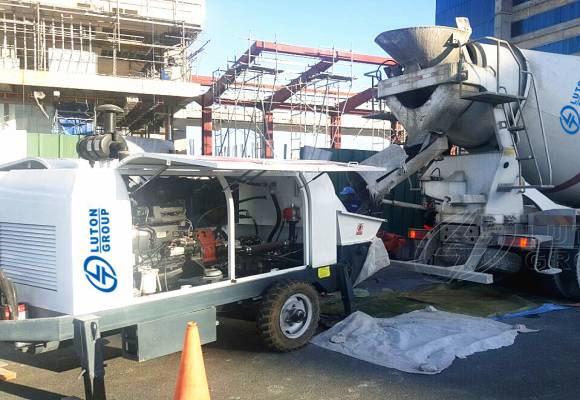
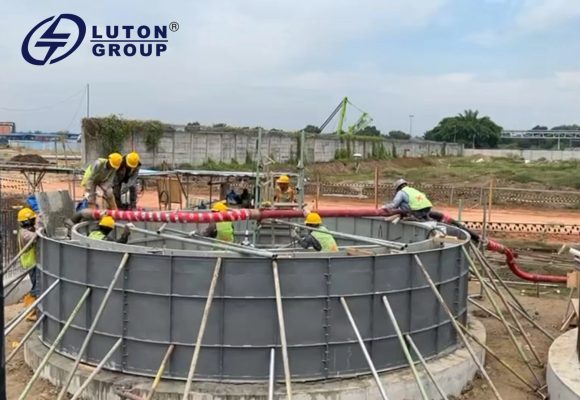
A stationary pumpcrete is installed once and operates from a fixed position. This stability reduces:
- Setup-related errors
- Frequent mechanical stress caused by relocation
- Unexpecte downtime
Reliable pumping performance is especially critical on projects with tight schedules and high daily output targets.
Designed for Professional, High-Demand Use
Stationary pumpcrete is not a light-duty machine. It is designed for:
- Continuous heavy-duty operation
- Harsh jobsite environments
- Long service life with proper maintenance
For contractors managing large or technically demandnig projects, this level of durability is a key advantage.
When pumping performance, reliability, and long-term cost control matter more than mobility, statationary pumpcrete is the preferred solution.
Talk to our engineering team to compare stationary pumpcrete and mobile pump options based on your actual project requirements.
Stationary Pumpcrete vs. Mobile Concrete Pump – How to Choose the Right Solution
Choosing the right concrete pumping solution can save time, money, and reduce construction risks. Here is a practical comparison focusing on project requiements and performance, helping you decide whether a statioanry pumpcrete is the best fit.
| Project Requirement | Stationary Pumpcrete | Mobile Concrete Pump | Recommendation |
| Long horizontal pumping | Excellent | Limited | choose stationary if distance exceeds 300m |
| High-rise vertical pumping | Up to 300m | Usually < 100m | Stationary pump for tall buildings |
| Continuous large-volume pouring | Designed for non-stop operation | May need pauses | Stationary preferred for slabs, foundations, dams |
| Short-term or multiple locations | Less flexible | Quick relocation | Mobile pump is better |
| Concrete mix: high-strength or dense | Handles large aggregate and high pressure | Limited pressure | Stationary pump recommended |
| Long-term fixed-location projects | Lower lifetime cost per cubic meter | Higher operating cost | Statioanry pump has better ROI |
How to Decide the Right Model
Once you confirm that stationary pumpcrete suits your project, the next step is to choose the appropriate model:
Required pumping height and distance
The taller or farther the pump needs to reach, the higher pressure model you need.
Daily concrete output
Match the pump capacity (m³/h) to the expected pour volume.
Concrete mix characteristics
High-strength or large aggregate mixes require heavy-duty pumping components.
Power source & site conditions
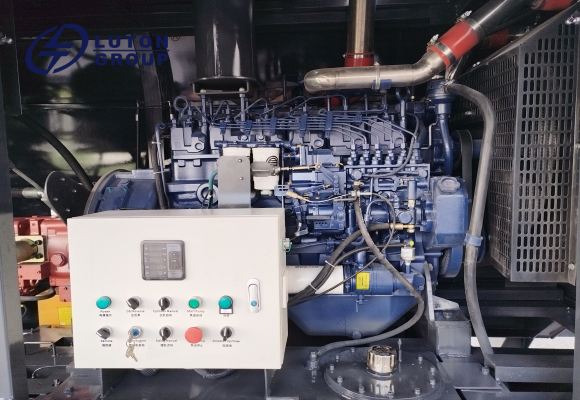
- Diesel pumps are flexible for sites without electricity.
- Electric pumps are efficient for long-term urban projects with stable power.
Pipeline layout flexibility
Complex or restricted sites may require custom pipeline routing, which stationary pumps can accommodate.
Pro Tip from Our Engineers
Selecting the right stationary pumpcrete model is not just about capacity – it’s about matching pumping pressure, distance, and mix design to your actual project needs. Our team can recommended the best model to minimize downtime and maximize concrete quality.
Typical Applicatons of LUTON Stationary Pumpcrete For
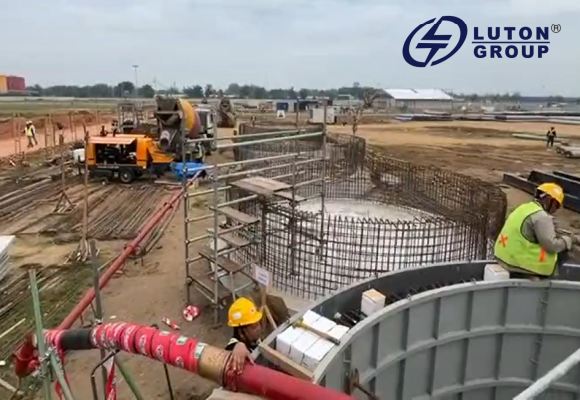
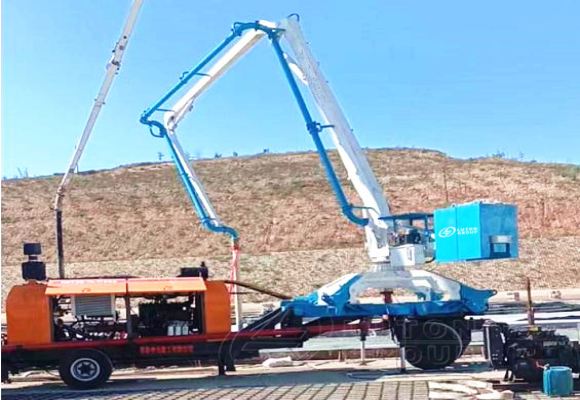
At LUTON factory, stationary pumpcrete is engineered to handle the most demanding construction scenarios. Whether you are managing high-rise buildings, tunnels, or industrial foundations, we design each unit to ensure reliable performance and maximum efficiency.
High-Rise Residential and Commercial Buildings
Stationary pumpcrete is ideal for concrete core walls, elevator shafts, and multi-story slabs.
Our pumps maintain consistent pressure and flow for vertical pumping up to 300m, ensuring smooth, uninterrupted pours for tall structures.
Infrastructure and Tunnel Projects
Projects such as bridges and flyovers, roadway foundations and underground tunnels, requires long horizontal and combined vertical pipelines. Statioanry pumpcrete delivers concrete reliably over extended distances, reducing downtime and ensuring structua integrity.
Industrial Foundations and Large Slabs
Large industrial floors or heavy foundation pours demand continuous output, large-volume pumping, minimal interruptions and so on.
LUTON stationary pumpcrete units are designed for non-stop operation, helping contractors meet tight schedules without compromissing quality.
Hydropower and Dam Construction
For projects like dams or hydropower stations, concrete must reach remote or elevated areas. Stability and continuous flow are critical.
Statioanry pumpcrete ensures high-pressure pumping for these challenging applications, reducing the risk of blockages and ensuring project timelines are met.
Custome Pipeline Configurations for Complex Sites
Urban construction sites or areas with limited access often require flexible pipeline layouts.
LUTON statioanry pumpcrete units can be customized with special pipeline configurations, allowing concrete to reach difficult or confined locations without affecting performance.
Every project is unique, and every stationary pumpcrete we supply is tailored to match your requirements. Contact our engineering team to discuss your project and receive a recommended model with a customized pipeline solution.
Key Technical Factors Of Stationary Pumpcrete
Choosing the right stationary pumpcrete is not just about picking a pump with the largest capacity. LUTON engineers evaluate project-specific requirements to ensure optimal performace, efficiency, and reliability.
Pumping Height and Distance
Assess the vertical and horizontal reach your project requires.
- High-rise buildings or long horizontal pipelines need higher pressure models.
- Accurate height and distance calculations prevent blockages, re-pumping, and downtime.
Daily Concrete Output
Match pump capacity to your expected daily or hourly pour volume.
- Underpowered pumps slow down construction.
- Overpowered pumps waste energy and increase operating cost.
The right balance ensures maximum efficiency and lower cost per cubic meter.
Concrete Mix and Aggregate Size
Different mixes require different pumping capabilities:
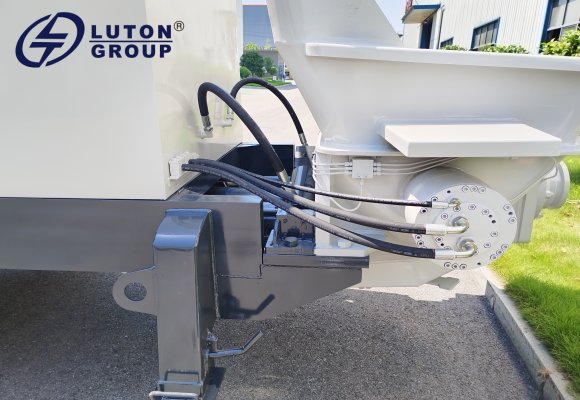
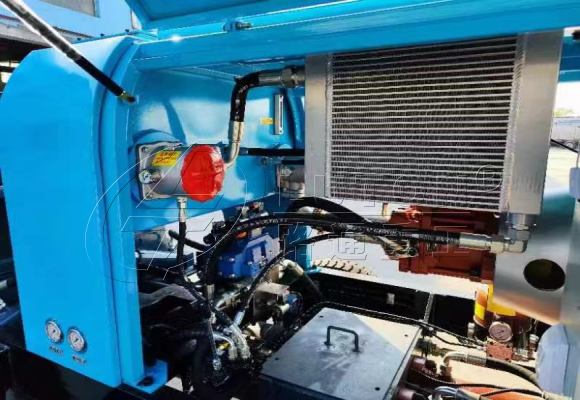
High-strength concrete or mixes with larger aggregates need heavy-duty components and reinforced hydraulic systems.
Our selection ensures smooth, consistent flow without segregation.
Power Source and Site Conditions
Consider whether your site provides electricity or requires diesel-powered solutions.
- Diesel pumps offer flexibility for remote or urban sites without stable power.
- Electric pumps provide cost-efficient operation for long-term urban projects.
Pipeline Layout and Flexibility
Complex job sites may require custom pipeline routing.
Urban sites, tunnels, or restricted access areas benefit from modular and adaptable pipelines.
LUTON engineers design layouts to reach every pouring point safely and efficiently.
Maintenance and Longevity
We recommended models based on:
- Durability under continuous operation
- Ease of maintenance and spare parts availability
- Expected servcie life for long-term projects
This ensure that your pump operates reliably throughout the entire project.
LUTON engineers guide you every step of the way – from evaluating project conditions to recommeding the right stationary pumpcrete model – so you can focus on construction, not troubleshooting.
Contact us today to get a customized model recommendation and technical specifications tailored to your project requirements.
Cost, Service Life, and Return on Investment
When evaluating a stationary pumpcrete, price is only part of the picture. For contractors, the real value comes from long-term performance, reliability, and cost efficiency.
Lower Lifetime Cost per Cubic Meter
Stioanry pumpcretes provide:
- Reduced fuel or energy consumption per cubic meter of concrete.
- Less mechanical wear from continuous operation
- Fewer interruptions and lower labor costs
Over the course of a long-term project, these factors significantly reduce the cost per cubic meter, improving overall project margins.
Long Service Life and Durability
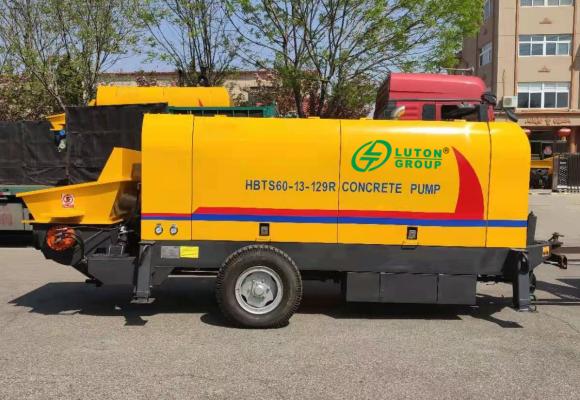
LUTON statioanry pumpcrete units are engineered for heavy-duty, continuous operation:
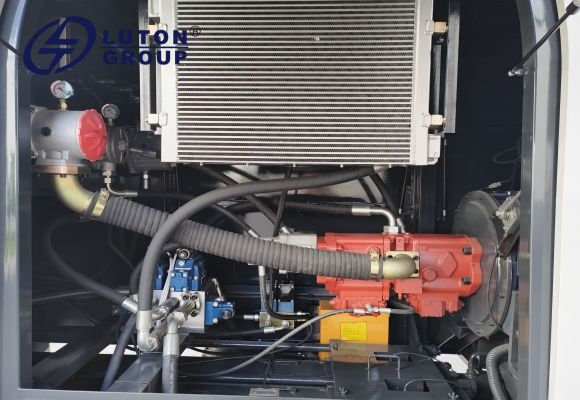
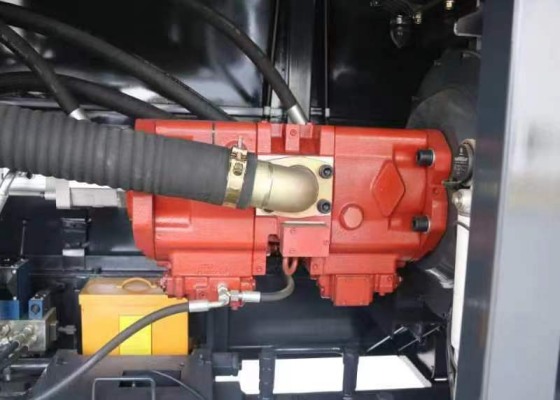
- High-quality hydraulic systems and components
- Robust frame and piping
- Designed for abrasive or high-strength concrete mixes
This durability ensures minimal downtime, protecting your investment and keeping your project on schedule.
Faster Project Completion Means Lower Indirect Costs
Continuous, stable pumping directly contributes to:
- Reduced pouring time
- Fewer cold joints and rework
- Less supervision and troubleshooting
The result is faster project completion, which lowers indirect costs and increases contractor profitability.

Return on Investment (ROI)
When you consider the following facts:
- long-term operating cost savings
- Reliable output for large-volume pours
- Reduce maintenance and downtime
It becomes clear that stationary pumpcrete often delivers a higher ROI for projects with long-distance pumping, high-volume pours, or extended timelines.
Investing in the right stationary pumpcrete is not just buying a machine – it’s securing reliable performance, lower lifetime costs, and predictable project timelines.
Investing in the right stationary pumpcrete is not just buying a machine – it’s securing reliable performance, lower lifetime costs, and predicatable project timelines.
Contact our engineering team today to get a detailed ROI analysis and a recommended model tailored to your project requirements.
FAQs About Stationary Pumpcrete
Q1: Is stationary pumpcrete the same as a stationary concrete pump?
Yes. Statioanry pumpcrete is a commonly used term for a statioanry concrete pump. Both refer to fixed-position pumping equipment designed for long-distance and high-pressure concrete delivery through pipelines.
How far can a stationary pumpcrete pump concrete?
Depending on the model and pipeline configuration, a statioanry pumpcrete can typical pump:
- Vertically: up to 200-300 meters
- Horizontally: up to 500-1500 meters
Actual performance depends on concrete mix design, aggregate size, and pipeline layout. Our engineers evaluate these factors before recommending a model.
What type of concrete can be pumped?
Stationary pumpcrete is suitable for:
- Standard ready-mix concrete
- High-strength concrete
- Fine aggregate concrete
- Grout and mortar (with proper configuration)
For special mixes, we recommend confirming specifications in advance to ensure smooth pumping and avoid blockage.
Is installation and pipeline setup complicated?
Installation is straightforward for experienced crews. The pump is installed at a fixed location, and pipelines are assembled according to site layout.
For complex projects, we provide pipelne layout guidance to help reduce setup time and improve pumping efficiency.
How much maintenance does a stationary pumpcrete require?
Routine maintenance mainly includes:
- Checking hydraylic oil and seals
- Cleaning the hopper and pipelnes after operation
- Inspecting wear parts such as pistons and valves
With proper mainteance, stationary pumpcrete is designed for long service life and reliable performance.
Is statioanry pumpcrete suitable for long-term projects?
Yes. Stationary pumpcrete is specifically designed for continous, long-term operation.
For projects lasting weeks or months at a fixed location, it often delivers lower operationg costs and better reliability than mobile pumps.
Can you help with model selection and technical support?
Absolutely. Our engineering team provides:
- Model selection based on project requirements
- Technical specifications and layout suggestions
- After-sales support and spare parts supply
This ensures that your stationary pumpcrete operates efficiently throughout the project lifecycles.