Pouring concrete is a critical step in almost every construction project. Whether it is a small slab, a foundation, or a large structural pour, the pouring method and equipment selection directly affect strength, durability, and efficiency.
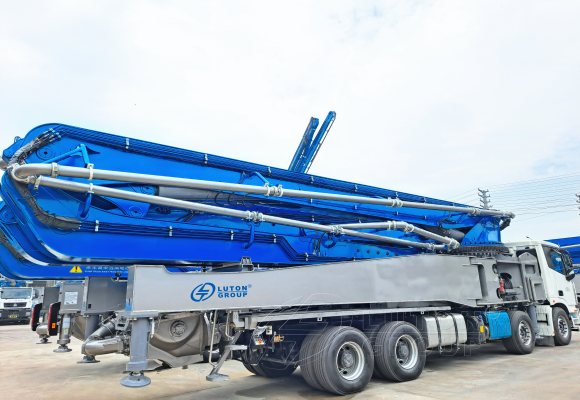
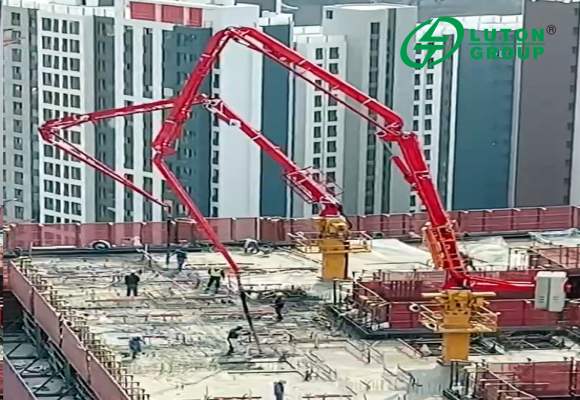
Modern concrete pouring is no longer a purely manual process. Concrete production, transportation, pumping, and placement are all supported by specialized concrete pouring equipment to ensure consistent quality and continuous operation.
Preparation Requirements Before Pouring Concrete
Proper preparation is essential for successful concrete pouring. Before concrete placement begins, site conditions, materials, and equipment must be carefully planned to avoid delays, defects, or structural issues.
Tools and Basic Equipment
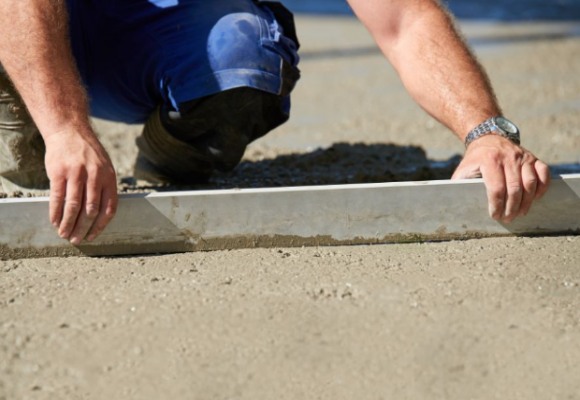
Basic tools are required to control concrete placement and finishing:
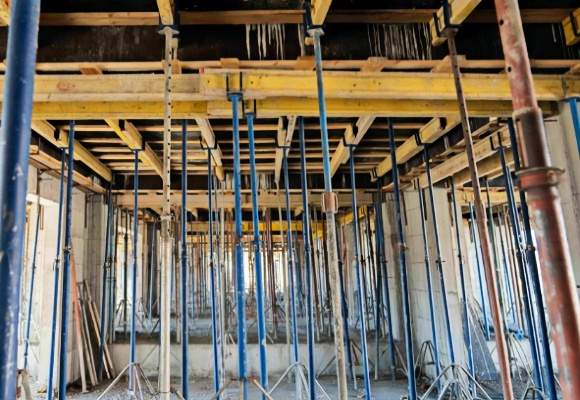
- Formwork and supports
- Screed board
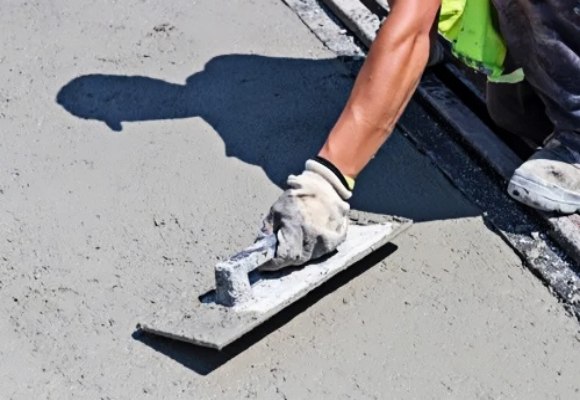
- Floats and trowels
- Measuring and leveling tools
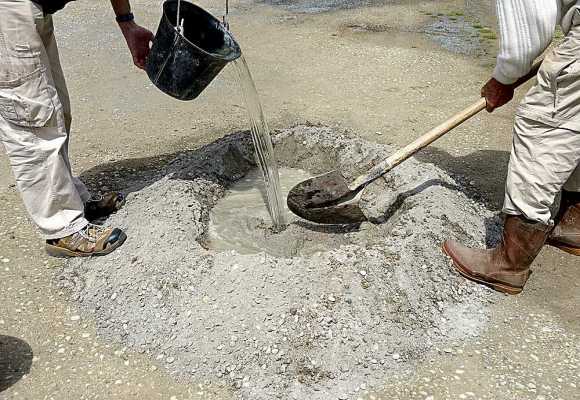
For on-site concrete production, a concrete mixer machine is commonly used to ensure uniform mixing and stable concrete quality.

Materials
Concrete quality depends on accurate material selection and proportioning:
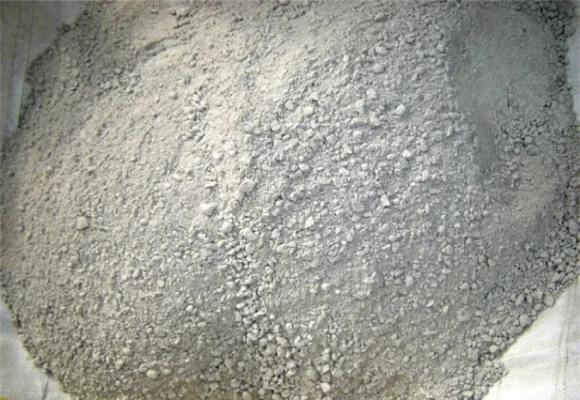
- Cement
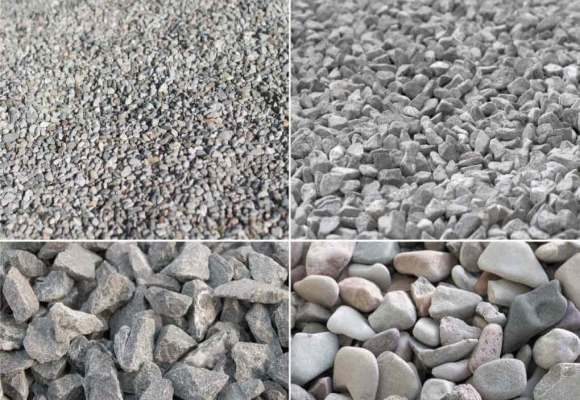
- Fine and coarse aggregates
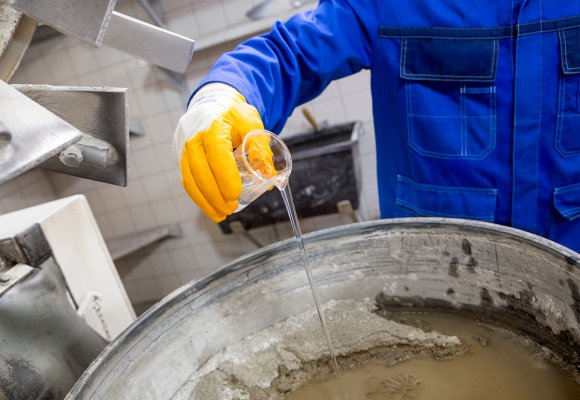
- Clean water
- Reinforcement materials (rebar or wire mesh)
In larger or continuous pouring operations, materials are often supplied through a centralized concrete batching plant to maintain consistent mix design and output capacity.
Equipment Planning
Concrete pouring efficiency is strongly influenced by equipment coordination. Mixing, transportation, and placement equipment should be selected based on project scale, pouring volume, and site accessibility.
Early equipment planning helps maintain continuous concrete flow and reduces the risk of cold joints or segregation during pouring.
Step-by-Step Guide to Pouring Concrete
Concrete pouring should follow a controlled and continuou process. Each step affects workability, structural integrity, and final surface quality.
Step 1 Site Preparation
The pouring area must be stable and properly prepared before concrete delivery.
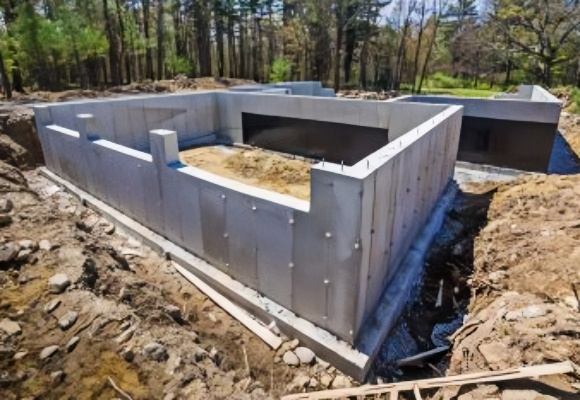
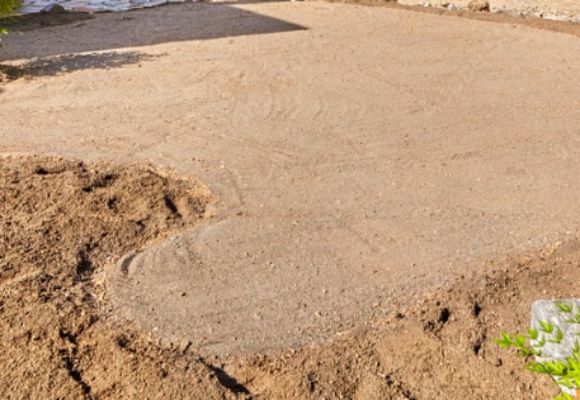
- Clear debris, loose soil, and standing water
- Level and compact the ground to prevent settlement
- Install formwork to define shape and dimensions
- Level and compact the gruond
Proper sitepreparation ensures even load distribution and reduces the risk of cracking aftre curing.
Step 2 Concrete Production
Concrete can be produced on site or supplied as ready-mix, depending on project scale and consistency requirements.
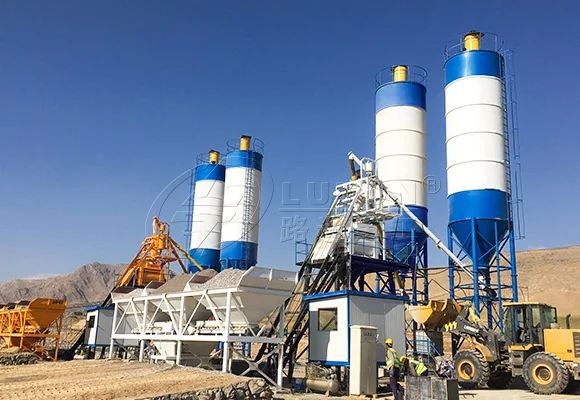
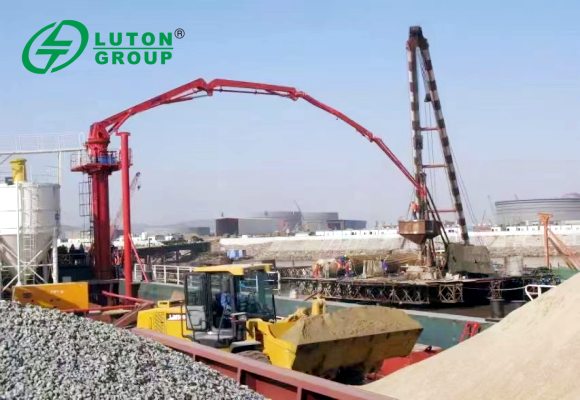
For large-scale or continuous pouring, concrete is typically produced using a concrete batching plant, which provides precise materials proportioning and stable output.
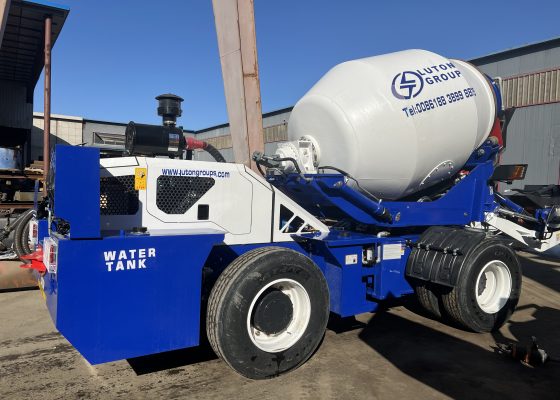
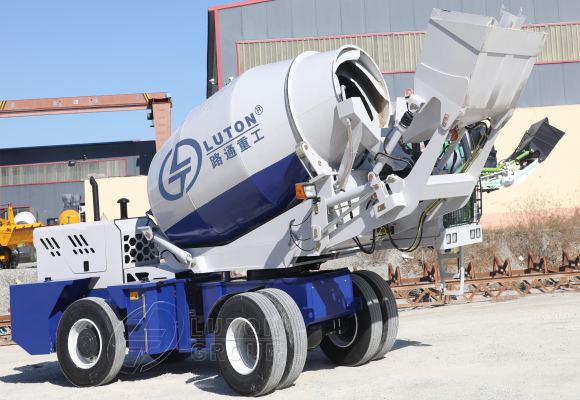
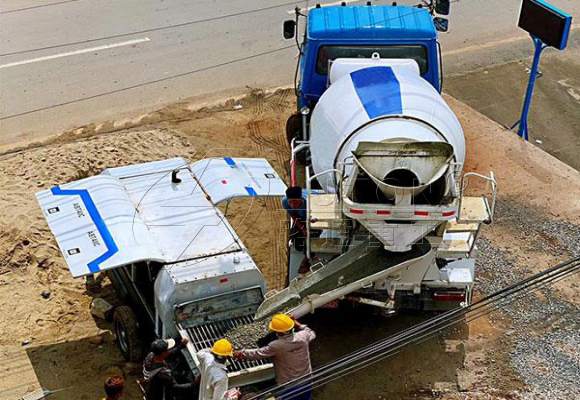
In smaller or remote projects, on-site mixing is commonly carried out using a self loading mixer truck, allowig concrete production without centralized batching facilities.
Step 3 Concrete Transportation
Fresh concrete must be transported quickly and steadily to maintain workability.
- Minimize transportation time
- Prevent segregation during movement
- Control slump loss before placement
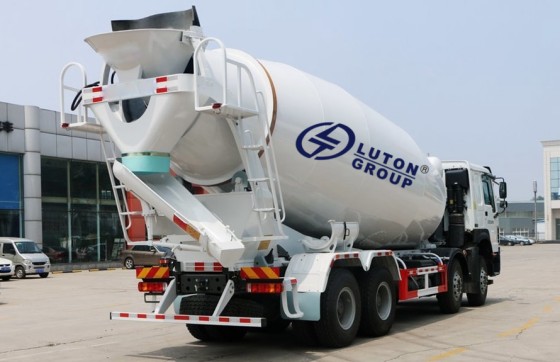
Ready-mix concrete is usually transported by a concrete mixer truck, which keeps the mix agitated until pouring begins.
Step 4 Concrete Placement and Pouring
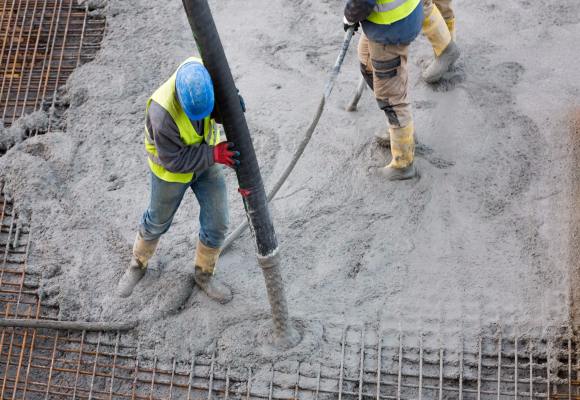
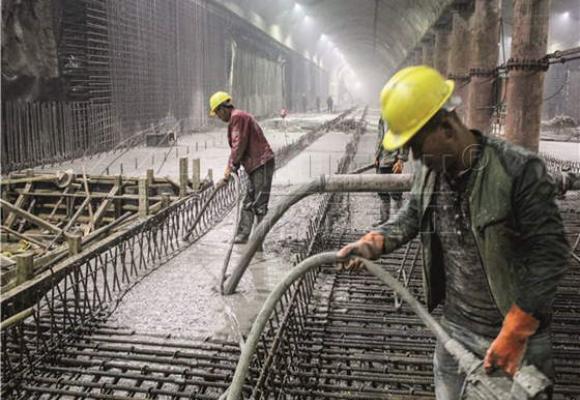
Concrete placement should be continuous and well controlled to avoid cold joints.
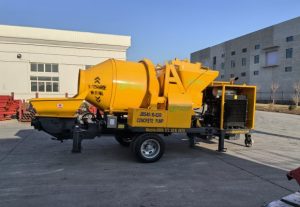
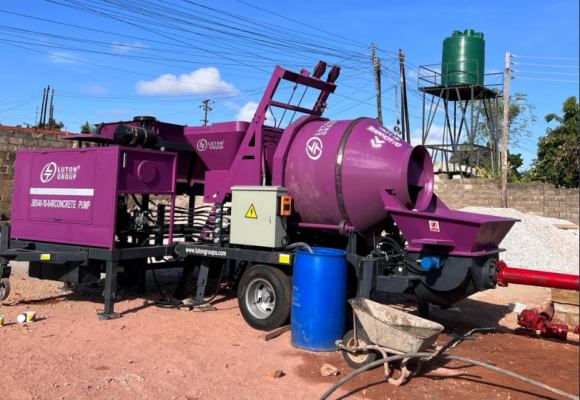
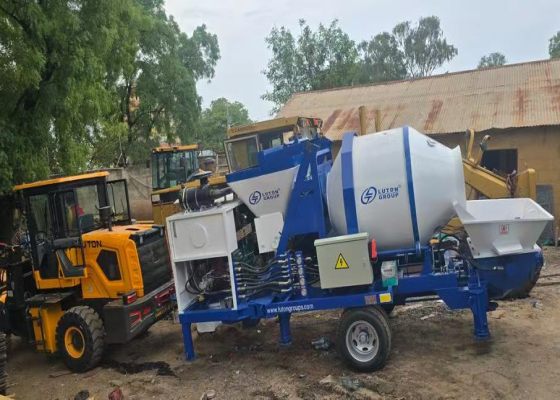
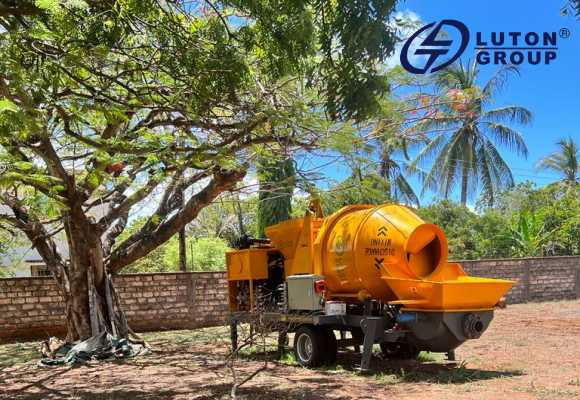
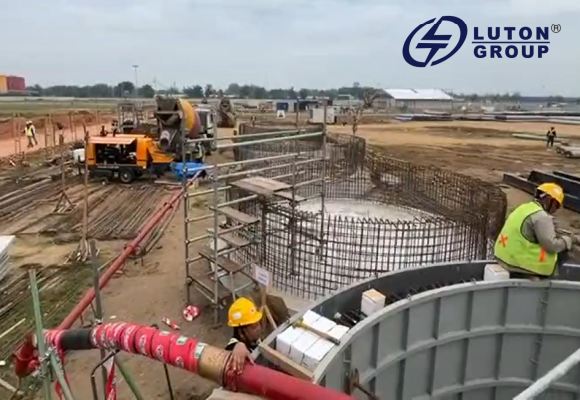
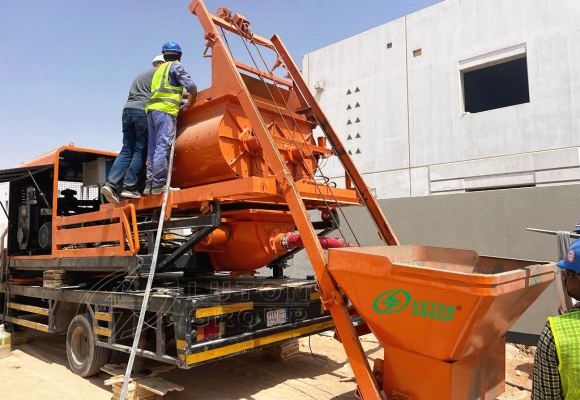
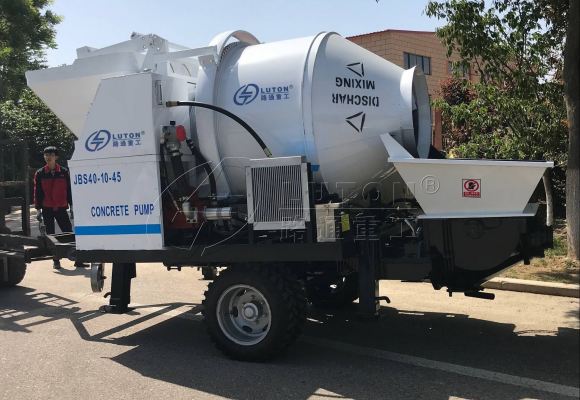
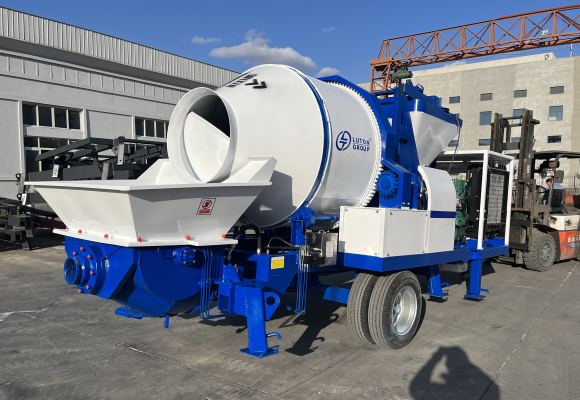
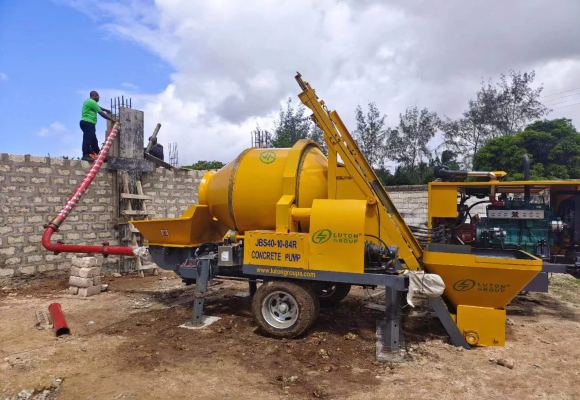
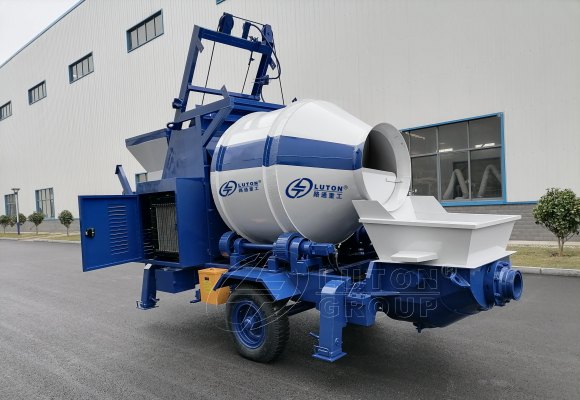
For small to medium pours, a concrete mixer pump allows concrete mixing and pumping in one integrated system.
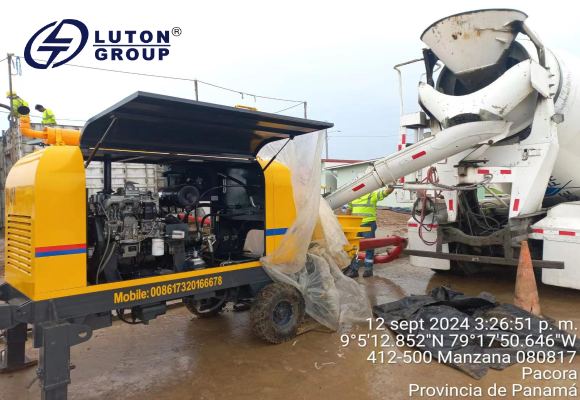
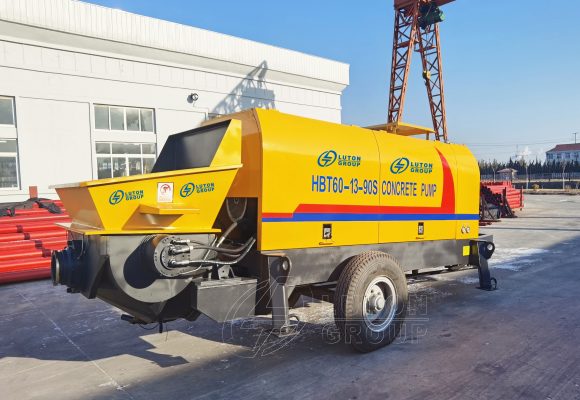
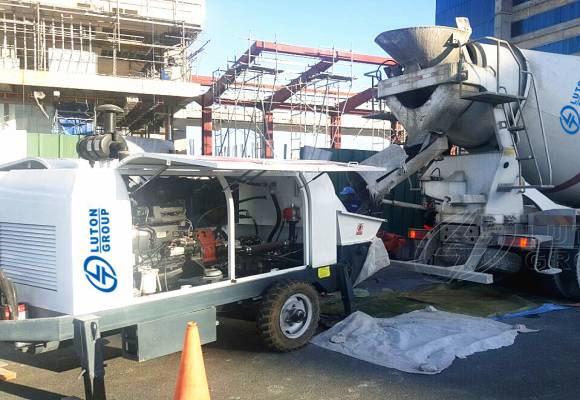
For longer horizontal or vertical distances, a concrete trailer pump is commonly used to deliver concrete efficiency to the pouring point.
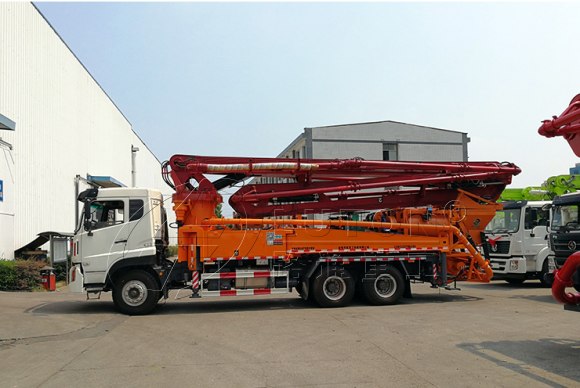
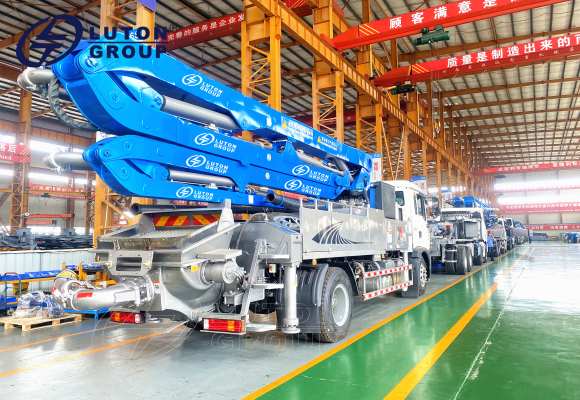
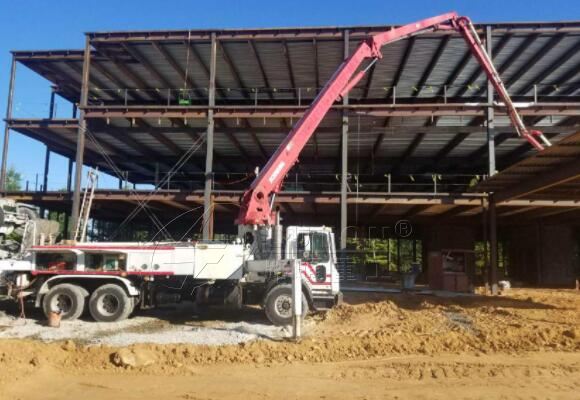
In large-scale construction or urban projects, a concrete pump truck provides high output and fast setup for rapid concrete placement.
Step 5 Leveling Finishing and Curing
After placement, concrete must be properly finished and cured.
- Screed the surface to the required level
- Float and trowel to achieve the desired finish
- Maintain moisture during curing to prevent surface cracking
Adequate curing is essential for concrete to reach its designed strength and durability.
Equipment Used for Pouring Concrete
Concrete pouring relies on coordinated equipment working across different stages of the construction process.
From concrete production to placement, proper equipment selection improves efficiency, consistency, and pouring accuracy.
Concrete Production Equipment
Concrete prouduction requires precise proportioning and stable output.
A concrete batching plant is commonly used for large scale and continuous concrete supply.
It ensures consistent mix quality and supports high volume pouring operations.
Concrete Mixing Equipment
On site concrete mixing is required when ready mix supply is unavailable or impractical.
A concrete mixer machine is widely used for small projects and localized mixing tasks. It provides flexible operation and controlled mixing quality.
A self loading mixer truck combines material loading mixing and transportation in one mobile unit.
This equipment is particularly effective for remote projects and sites with limited infrastructure.
Concrete Transportation Equipment
Fresh concrete must be transported while maintaining workability.
A concrete mixer truck is designed to keep concrete agitated during transport. It reduces segregation and slump loss before concrete placement.
Concrete Pumping and Placement Equipment
Efficient placement is essential for uniform concrete distribution.
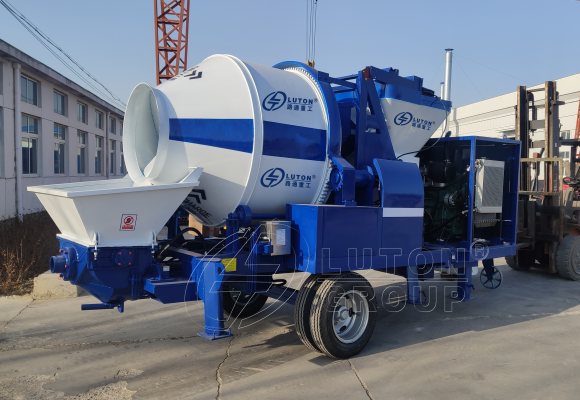
A concrete mixer pump integrates mixing and pumping functions in a compact system. It is suitable for small to medium projects requiring flexible placement.
| Models | JBS30/40/50 |
| Max. theo. concrete output | 30~50 m³/h |
| Max.concrete pumping pressure | 6~10 MPa |
| Motor Power | 52~92kW |
| Max. Theoretical Vertical Conveying Distance (m) | 120~130m |
| Max. Theoretical Horizontal Conveying Distance (m) | 300~600m |
A concrete trailer pump is used for long distance horizontal or vertical concrete delivery. It supports continuous pouring in buildings foundations and infrastructure projects.
| Models | HBT30/40/50/60/80/90 |
| Max. theo. concrete output | 30~90 m³/h |
| Max.concrete pumping pressure | 6~20 MPa |
| Distribution valve type | S valve |
| Diesel engine model | Yuchai/Weichai/Cummis |
| Diesel engine power | 52~199kW |
| Delivery Distance (vertical) | 100-300m |
| Delivery Distance (horizontal) | 300~1200m |
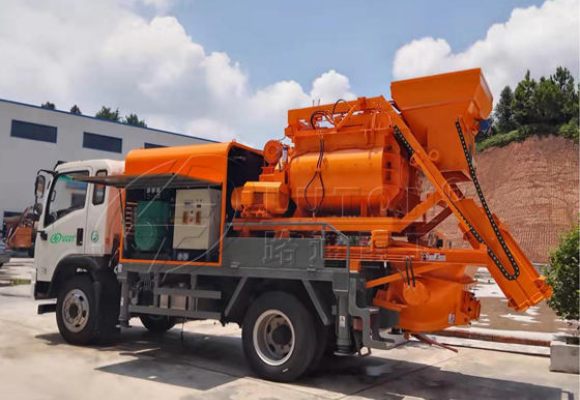
A concrete pump truck provides high output and rapid setup for large scale construction sites. It is commly used in urban projects with high productivity requirements.
| Model | HBCJ50-9-45ES |
| Max. theo. concrete output | 50 m³/h |
| Max.concrete pumping pressure | 9 MPa |
| Motor Power | 45kW |
| Mixer Model | JS1500 |
| Feeding height of pumping hopper | 1500mm |
| Model | 30m~61m |
| Max. theo. concrete output | 85-200 m³/h |
| Max.concrete pumping pressure | 8.7-10 MPa |
| Boom horizontal height | 25m-55.6m |
| Turnable Rotation Angle | ±210°/±360° |
| End flexible hose length | 3000mm |
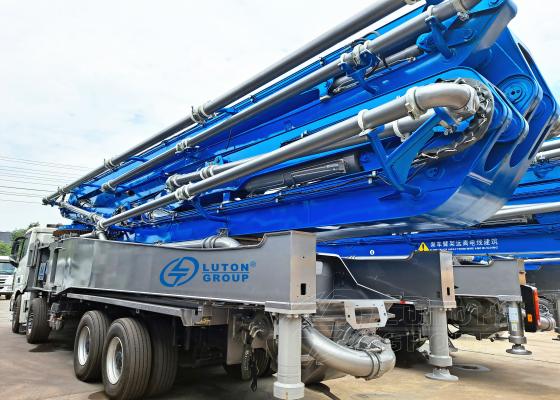
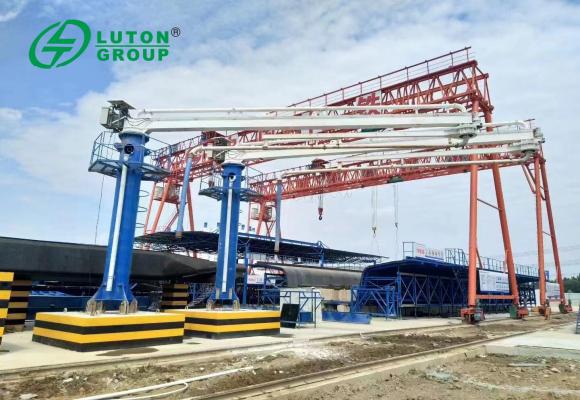
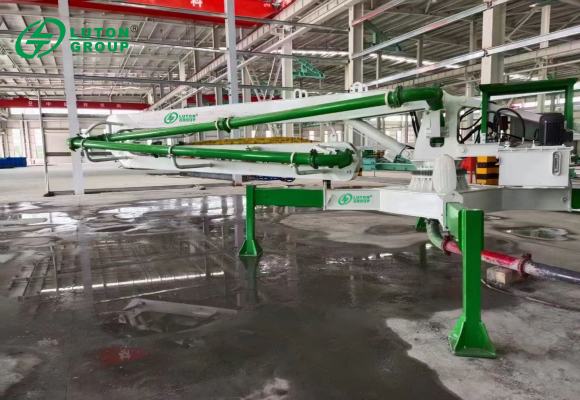
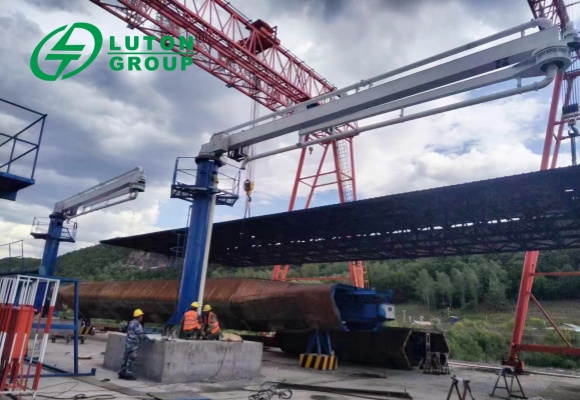
A concrete boom placer allows accurate concrete distribution at height or over obstables. It improves placement precision and reduces manual handling.
| Installation Mode | Floor Type |
| Models | HGY24/3, HGY32/3 |
| Placing Boom Length | 32m |
| Power | 18.5kw |
| Rotation | 360° |
| System Pressure | 32Mpa |
| Conveying Pipe | Φ125 |
| Working Altitude | 22.5m |
| Working Temperature | -20℃ – 40℃ |
How to Choose the Right Concrete Pouring Equipment
Selecting appropiate concrete pouring equipment depends on project conditions and production requirements. Equipment choice direclty affects pouring continuity labor efficiency and overall construction quality.
Project Scale and Pouring Volume
Equipment selection should match the required concrete volume per hour to avoid interruptions during pouring.
- Small projects with limited daily output typically require compact and flexible equipment.
- Large projects demand stable high capacity systems capable of continuous operation.
Site Conditions and Accessibility
Construction site layout influences equipment configuration.
- Limited access narrow spaces or height restrictions often require mobile or compact solutions.
- Open sites with sufficient working space allow the use of higher capacity equipment systems.
Concrete Production Method
Concrete can be produced on site or supplied as ready mix.
- On site production is suitable for remote locations and projects without centralized supply.
- Centralized production is preferred for large scale and high consistency requirements.
Transportation and Placement Distance
Horizontal and vertical delivery distances determine pumping and placement equipment.
- Short distance pouring can rely on integrated systems.
- Long distance or high rise placement requires dedicated pumping and placing solutions.
Workflow Coordination and Efficiency
Concrete pouring equipment must operate as a coordinated system.
Mismatch between mixing capacity and pumping output can lead to delays segregation or cold joints.
Balanced equipment configuration ensures continuous and stable concrete flow.
Typcial Concrete Pouring Solutions by Application
Concrete pouring requirements vary by project type. Different applications demand different combinations of mixing transportation and placement equipment.
Small Residential and Light Commercial Projects
These projects usually involve limited pouring volume and flexible scheduling.
A concrete mixer machine or concrete mixer pump is commonly used to support on site mixing and short distance placement.
Compact equipment reduces setup time and improves operational flexibility.
Medium-Scale Building Construction
Medium-scale projects require stable output and controlled cocnrete delivery.
A concrete batching plant combined with a concrete trailer pump is often selected to support continuous pouring and extended pumping distance. This configuration balances production capacity and placement efficiency.
Large-Scale Infrastructure Projects
Infrastructure projects involve high volume concrete production and long duration pouring.
A concrete batching plant working with a concrete pump truck or concrete boom placer provides high output and accurate placement.
This solution supports bridges highways foundations and other larfe structural works.
Remote and Off-Grid Construction Sites
Remote projects often fasce limited access to ready mix supply and power infrastructure.
A self loading mixer truck offers an integrated solution for material loading mixing transporation and pouring.
This equipment minimizes dependency on external supply chains.
High Rise and Complex Placement Areas
Projects with height restrictions or complex layouts require precise concrete distribution.
A concrete boom placer enables controlled placement at elevation and over obstacles.
It improves safety and reduces manual handlng during pouring operations.
Common Mistakes in Concrete Pouring
Concrete defects are often caused by improper procedures or incorrect equipment coordination. Many pouring problems can be avoided through proper planning and execution.
Insufficient Site Preparation
- Poorly compacted ground or unstable formwork can lead to settlement and cracking.
- Uneven base conditions reduce structural integrity and affect long term durability.
Site preparation should always be completed before concrete delivery begins.
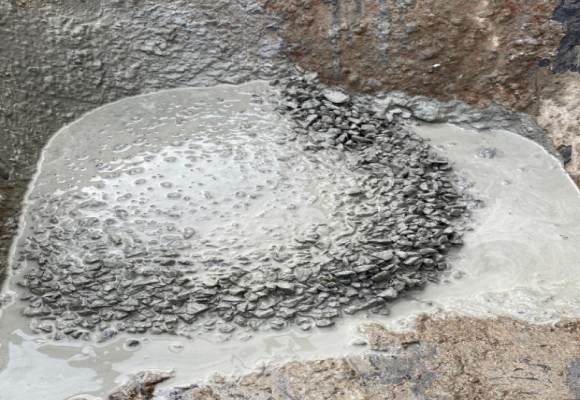
Improper Concrete Consistency
- Excessive water content weakens concrete strength and increases shrinkage.
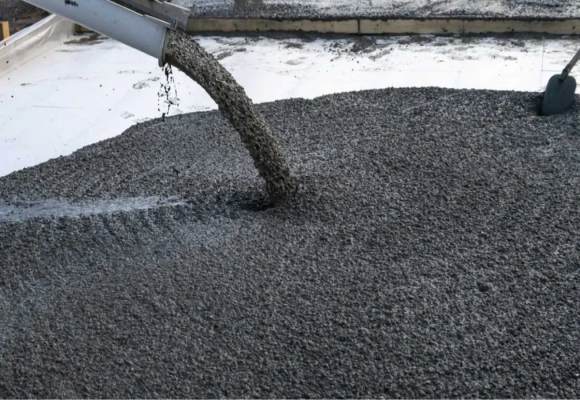
- Inconsistent mixing leads to segregation and surface defects.
Concrete consistency should remain stable from production to placement.
Incorrect Equipment Selection
Using undersized or unsuitable equipment disrupts pouring continuity.
Low mixing capacity combined with high pumping demand often causes delays. Mismatched equipment output increases the risk of cold joints during pouring.
Inadequate Curing
Skipping or shortening curing time prevents concrete from reaching designed strength.
Rapid moisture loss leads to surface cracking and reduced durability.
Proper curing is essential after concrete placement and finishing.
FAQs About Pouring Concrete
Can concrete be poured directly on soil?
Concrete can be poured on soil only if the base is properly prepared. Loose or uncompacted soil increases the risk of settlement and cracking. A compacted subgrade and proper base layer are essential for structural stability.
How thick should a concrete slab be?
Slab thickness depends on application and load requirements.
Light duty slabs are typically 100 to 120 mm thick. Driveways and structural slabs usually require greater thickness and reinforcement.
Is reinforcement always required when pouring concrete?
Reinforcement is not mandatory for every application but is recommended in most cases.
Redar or wire mesh improves load distribution and crack control.
Structural and load bearing elements should always include reinforcement.
What is the best temperature for pouring concrete?
Concrete performs best when poured in moderate temperatures.
Extreme heat accelerates setting and increases cracking risk.
Low temperatures slow hydration and may affect early strength development.
How long does concrete take to set and cure?
Initial setting usually occurs within several hours after pouring.
Concrete can typically be walked on after 24 to 48 hours.
Full design strength is achieved after approximately 28 days of proper curing.
Can concrete pouring be interrupted and continued later?
Interrupted pouring is not recommended for structural elements.
Delays create cold joints that weaked bonding between layers. Continuous pouring ensures uniform strength and structural integrity.
Successful concrete pouring depends on proper preparation controlled execution and suitable equipment selection.
Each stage from concrete production and transportation to placement and curing plays a critical role in fina quality.
Well planned workflows and correctly matched concrete pouring equipment help ensure consistent strength efficient construction and long term durability. A systematic approach to concrete pouring improves both construction performance and project outcomes.
Export Cases of LUTON GROUP
HBTS30 Concrete Pump Sold To Panama
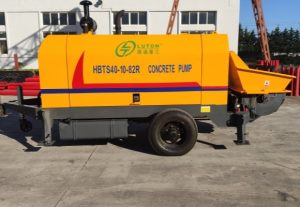
HBTS40 Concrete Pump To Ethiopia
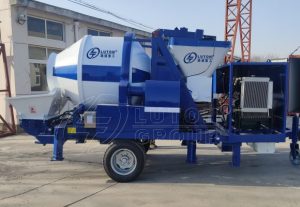
Concrete Pump In Pakistan
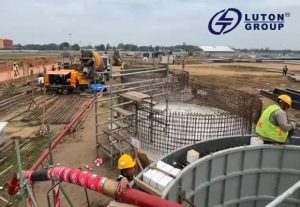
Concrete Pump Indonesia
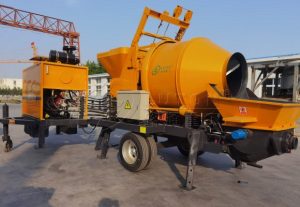
Concrete Pumps In India
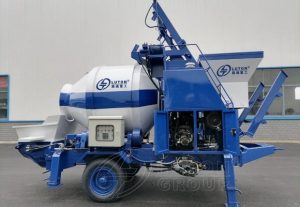
Concrete Trailer Pump For Sale Australia
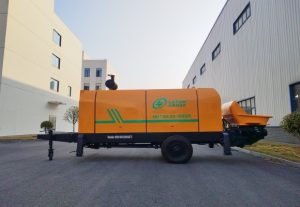
HBT90 Diesel Concrete Trailer Pump To Armenia
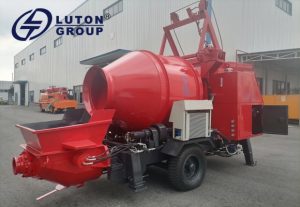
Concrete Mixer Pump Exported To Sierra Leone
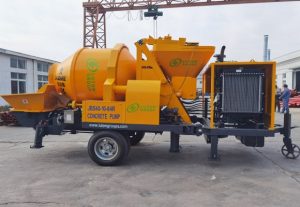
Concrete Mixer Pump Exported To Kenya
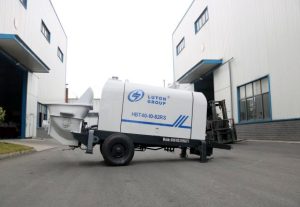
LUTON Concrete Trailer Pump To Brunei
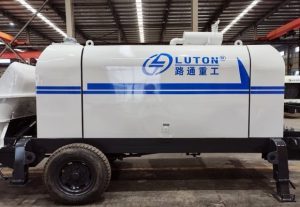
Concrete Trailer Pump To Jamaica